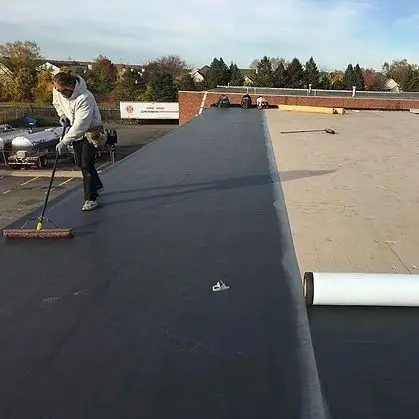
When a Commercial Roof Leak Can’t Wait Until Morning
Some roofing problems can be scheduled during normal business hours. Others require immediate attention because water is actively threatening people, equipment, inventory, electrical systems, or the building itself.
When that happens, a contractor offering 24/7 roof leak repair or emergency commercial roofing services may be able to help stabilize the property and determine what needs to happen next.
At Chase Commercial Roofing, we provide commercial roofing services throughout New Jersey, including emergency roof repair for urgent roofing problems.
Who Should You Call for an Emergency Commercial Roof Leak?
Look for a contractor that specializes in commercial roofing rather than relying on a general handyman or residential-only roofing company.
A qualified emergency roofing contractor should have experience with:
- Commercial flat roofs
- TPO roofing
- EPDM roofing
- Metal roofing
- Roof flashing
- Commercial drainage systems
- Storm damage
- Temporary weatherproofing
The contractor should also carry appropriate insurance and use proper safety procedures for the work being performed.
How to Know If Your Roof Leak Is an Emergency
Not every ceiling stain requires an after-hours roofing call. The key is determining whether waiting could create a safety hazard or significantly increase property damage.
Water Near Electrical Equipment
Water around electrical panels, wiring, outlets, servers, machinery, or other electrical equipment should be treated seriously.
Keep people away from the affected area and contact appropriate emergency professionals.
Heavy Active Water Intrusion
Water pouring into the building during a storm can quickly affect ceilings, floors, insulation, equipment, and inventory.
Sagging Ceilings
Ceiling tiles, drywall, or other materials that are visibly sagging may be holding water and could become unstable.
Keep occupants away from the area.
Visible Structural Concerns
Roof deck movement, significant deflection, unusual cracking, or other apparent structural changes deserve immediate professional attention.
Large Areas of Storm Damage
Wind, fallen debris, displaced roofing materials, or exposed sections of the roof may require temporary stabilization to reduce additional water entry.
Leaks Threatening Business Operations
A leak may also become an urgent business issue when water threatens:
- Manufacturing equipment
- Computer systems
- Inventory
- Customer areas
- Medical equipment
- Documents or records
What to Do Immediately When Your Roof Starts Leaking
Protect People First
Keep employees, customers, and tenants away from wet electrical equipment, unstable ceilings, slippery floors, and areas where materials could fall.
Move Valuable Property
If it can be done safely, relocate equipment, inventory, electronics, furniture, and documents away from the affected area.
Contain Interior Water
Place containers beneath drips where appropriate and use safe interior measures to limit the spread of water.
Document What You See
Take photographs or video of:
- Interior water intrusion
- Water stains
- Damaged equipment
- Damaged inventory
- Visible storm damage
Keep these records along with invoices and professional inspection reports.
Call a Commercial Roofer
Contact a roofing contractor experienced with your type of commercial roof and explain the current conditions clearly.
What Not to Do During a Roof Leak Emergency
Trying to solve the problem yourself can create additional hazards.
Avoid:
- Climbing onto a wet roof
- Accessing the roof during high winds or severe weather
- Walking beneath sagging ceiling materials
- Using electrical equipment in wet areas
- Applying random sealants to commercial roof membranes
- Sending untrained employees onto the roof
Commercial roofing membranes require compatible repair materials, and an incorrect temporary patch can complicate the permanent repair.
What Happens During Emergency Roof Leak Repair?
Initial Safety Assessment
The roofer first evaluates whether conditions are safe enough for roof access and repair work.
Damage Evaluation
The affected roof area may be checked for:
- Membrane damage
- Open seams
- Failed flashing
- Storm impact
- Drainage problems
- Loose roofing materials
- Damaged penetrations
Temporary Stabilization
If permanent work cannot safely or properly be completed immediately, temporary weatherproofing may be used to reduce additional water intrusion.
Permanent Repair Planning
Once conditions allow a complete assessment, the contractor can determine the appropriate permanent repair and whether any insulation, decking, flashing, or other components need replacement.
Temporary Roof Repair vs. Permanent Repair
| Temporary Stabilization | Permanent Roof Repair |
|---|---|
| Intended to reduce immediate water intrusion | Addresses the underlying roofing defect |
| May be necessary during severe weather | Completed when safe and appropriate conditions allow |
| Designed as short-term protection | Uses system-compatible roofing materials and detailing |
| May not address wet insulation or decking | Can address affected components beneath the membrane |
A temporary repair should be monitored and followed by a permanent solution when appropriate.
Common Temporary Emergency Roofing Measures
Depending on the roof, weather, and damage, professional temporary stabilization may involve:
- Temporary membrane repairs
- Weatherproof coverings
- Temporary flashing protection
- Securing loose roofing components
- Clearing blocked drainage where safe
The appropriate method depends on the existing roof system and site conditions.
Emergency Repairs for TPO Roofs
TPO is a thermoplastic commercial roofing membrane. Permanent repairs commonly require compatible TPO material and properly completed heat-welded seams.
During severe weather, permanent welding may not always be immediately practical, so temporary stabilization may be necessary first.
Learn more about Chase’s TPO roofing services in New Jersey.
Emergency Repairs for EPDM Roofs
EPDM is a synthetic rubber membrane requiring compatible primers, tapes, adhesives, flashing materials, and patches.
Temperature, moisture, and surface conditions can affect how some repair products are installed.
Chase also provides EPDM roofing repair and installation.
Emergency Metal Roof Repairs
Commercial metal roofing problems may involve:
- Loose panels
- Panel seams
- Fasteners
- Flashing
- Penetrations
- Storm impact
The appropriate repair depends on the specific metal roof design and damaged components.
Learn more about Chase’s commercial metal roofing services.
Emergency Roof Leaks Around HVAC Equipment
Commercial roofs often contain HVAC units, vents, piping, and mechanical equipment.
Water intrusion around this equipment may involve:
- Curb flashing
- Membrane transitions
- Sealants
- Equipment penetrations
- Nearby drainage
Repairing only the visible opening without evaluating the complete flashing detail may leave the underlying problem unresolved.
What About Ponding Water During a Storm?
Heavy rainfall can reveal blocked drains, scuppers, or other drainage problems.
Recurring ponding may also involve:
- Compressed insulation
- Low areas
- Deck movement
- Insufficient slope
- Drainage design
Standing water should not be approached casually during severe weather. Roof access may be unsafe, and drainage problems should be evaluated by trained professionals.
Winter Commercial Roof Emergencies
Winter weather can make emergency roofing particularly challenging.
Snow, ice, freezing temperatures, and limited daylight may affect:
- Safe roof access
- Repair materials
- Adhesive performance
- Surface preparation
- Repair methods
Some permanent repairs may need to wait until the required installation conditions can be achieved safely.
Snow Load and Structural Concerns
Heavy snow accumulation can place additional load on a commercial roof.
If you observe significant roof deflection, cracking sounds, unusual structural movement, or other warning signs, keep people away from the affected area and contact appropriate professionals.
Do not send untrained employees onto a snow-covered roof to remove accumulation.
How Much Does Emergency Roof Leak Repair Cost?
There is no universal emergency repair price.
Cost can depend on:
- Extent of damage
- Roof material
- Building height
- Access
- Weather conditions
- Time and labor requirements
- Temporary protection required
- Specialized equipment
- Whether insulation or decking is affected
A professional inspection and written scope provide a much more useful estimate than generic emergency-roofing price ranges.
Will Insurance Cover an Emergency Roof Leak?
Insurance coverage depends on the policy, cause of loss, exclusions, deductible, and other policy terms.
Damage associated with a sudden covered event may be treated differently from deterioration, wear and tear, or maintenance-related conditions.
Property owners should review their policy and contact their insurer or licensed insurance professional for coverage questions.
A roofing contractor can document physical roof conditions, photographs, measurements, observed damage, recommended roofing work, and repair estimates. The contractor should not guarantee that an insurer will approve coverage or a particular claim amount.
Documenting Emergency Roof Damage
Good records can help you understand what occurred and can also be useful when communicating with insurers, property managers, tenants, or other parties.
Consider documenting:
- Date and approximate time damage was discovered
- Weather conditions
- Interior leak locations
- Visible roof damage
- Damaged equipment or inventory
- Temporary protective work
- Professional inspection findings
- Repair invoices and estimates
Emergency Roofing Safety Comes First
Commercial roof emergencies often combine wet surfaces, severe weather, darkness, electrical hazards, roof edges, skylights, and unstable materials.
OSHA provides fall-protection requirements for roofing and other elevated construction work.
Review OSHA’s construction fall-protection requirements for additional information.
Should an Emergency Roof Be Repaired or Replaced?
A major leak does not automatically mean the entire roof needs replacement.
| Repair May Make Sense When | Replacement May Make Sense When |
|---|---|
| Damage is localized | Damage is widespread |
| Most of the membrane remains serviceable | Membrane deterioration is extensive |
| Most insulation remains dry | Large areas of insulation are saturated |
| Leak resulted from an isolated event | Leaks repeatedly occur throughout the roof |
If replacement becomes the more practical option, Chase provides commercial roof replacement throughout New Jersey.
How Preventive Maintenance Can Reduce Emergency Calls
Not every roofing emergency is preventable, particularly storm-related damage, but routine maintenance can help identify developing problems earlier.
A maintenance program may include:
- Drain and scupper inspections
- Debris removal
- Seam inspections
- Flashing checks
- Penetration inspections
- Monitoring ponding areas
- Checking previous repairs
- Post-storm inspections
The National Roofing Contractors Association provides guidance and training focused on commercial roof inspection, maintenance, leak detection, and repair.
Review the NRCA’s roof repair and maintenance guidance.
Build an Emergency Roofing Plan Before You Need It
Property and facility managers can make roof emergencies easier to manage by preparing before severe weather occurs.
Useful information to maintain includes:
- Roofing contractor contact information
- Building access procedures
- Roof drawings where available
- Drain locations
- Critical equipment locations
- Property insurance contact information
- Internal emergency contacts
Keeping previous inspection and repair reports available can also help a roofing contractor understand the roof more quickly.
Who to Call When Your Roof Won’t Wait
When water is actively entering a commercial building, the goal is to protect people and property first, stabilize the roofing system when conditions allow, and then determine the correct permanent repair.
A qualified 24/7 roof leak repair provider should understand commercial roofing systems, emergency stabilization, safety procedures, and the difference between a temporary measure and a lasting repair.
Chase Commercial Roofing provides commercial roofing services throughout New Jersey, including emergency roof repair, TPO, EPDM, metal roofing, flat roof repair, coatings, and replacement.
If your commercial property has an active roof leak or significant storm damage, contact Chase Commercial Roofing to discuss the condition of your roof and the appropriate next steps.