

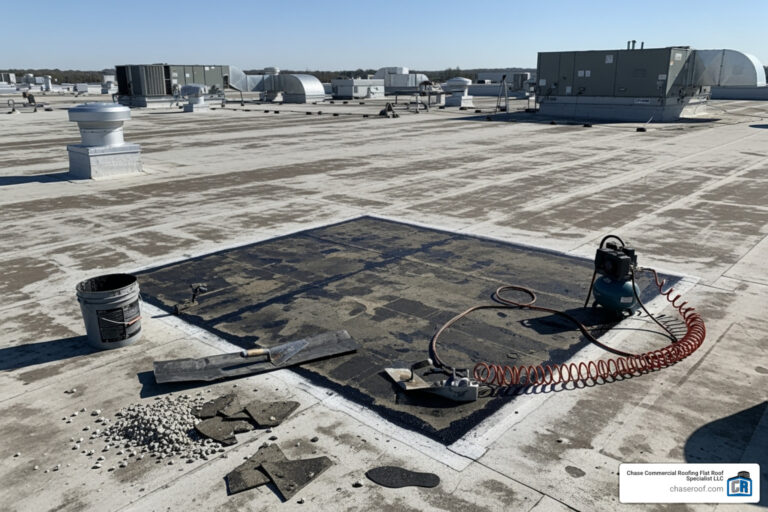
The Art of Commercial Roof Repair: Your Guide to Lasting Protection
When your commercial building’s roof has problems, knowing when to repair commercial roof issues is crucial. Acting fast saves money and keeps your business running smoothly. Your roof is a major investment, protecting everything inside. Ignoring small issues can lead to structural damage, inventory loss, and costly downtime. The key to protecting your assets is proactive, professional care. For businesses seeking reliable solutions, partnering with a certified commercial roofing specialist is the first step toward long-term security. This guide will walk you through commercial roof repair, from identifying warning signs to making smart decisions that extend your roof’s life.
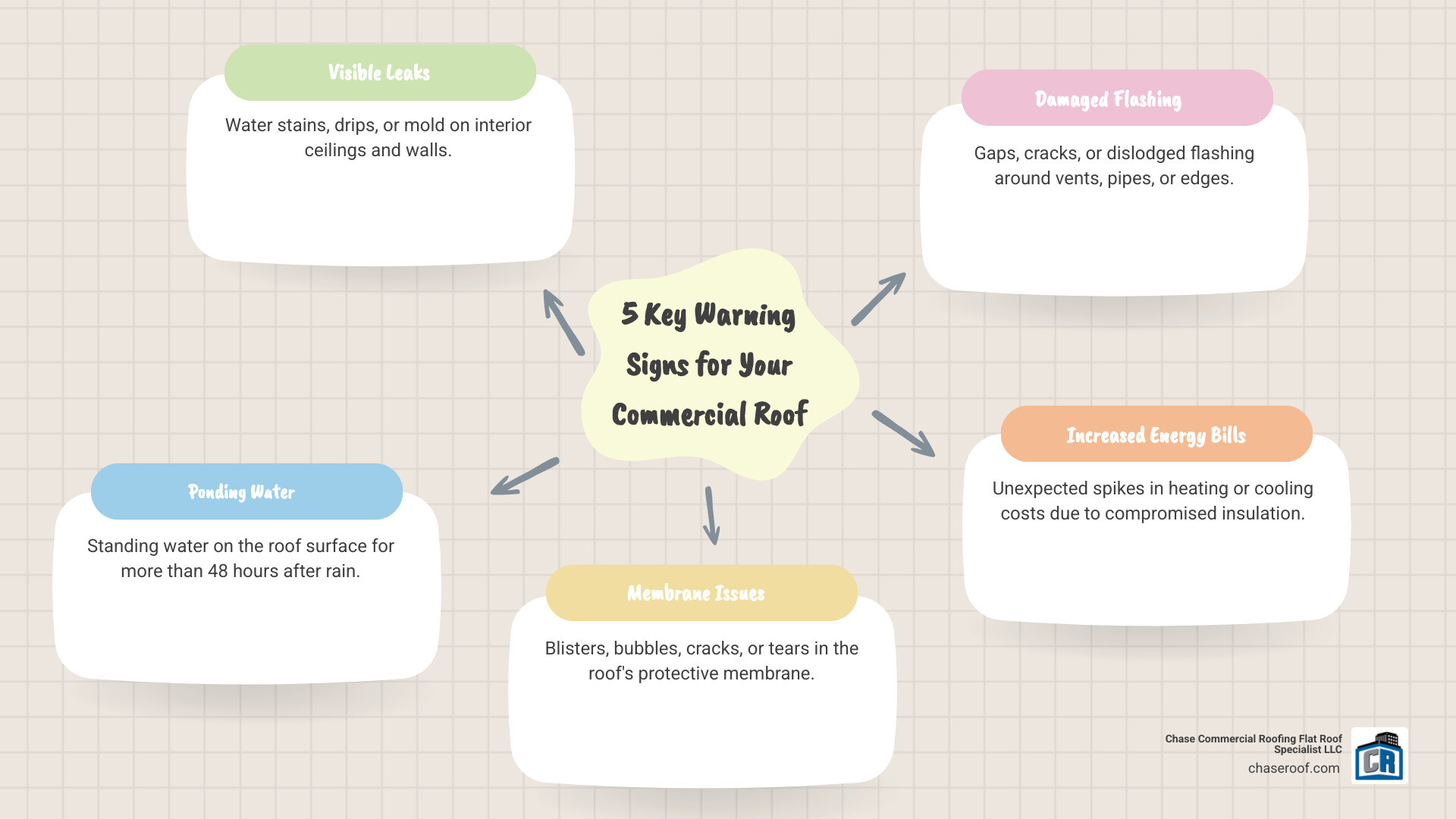
Here are the top signs your commercial roof needs attention:
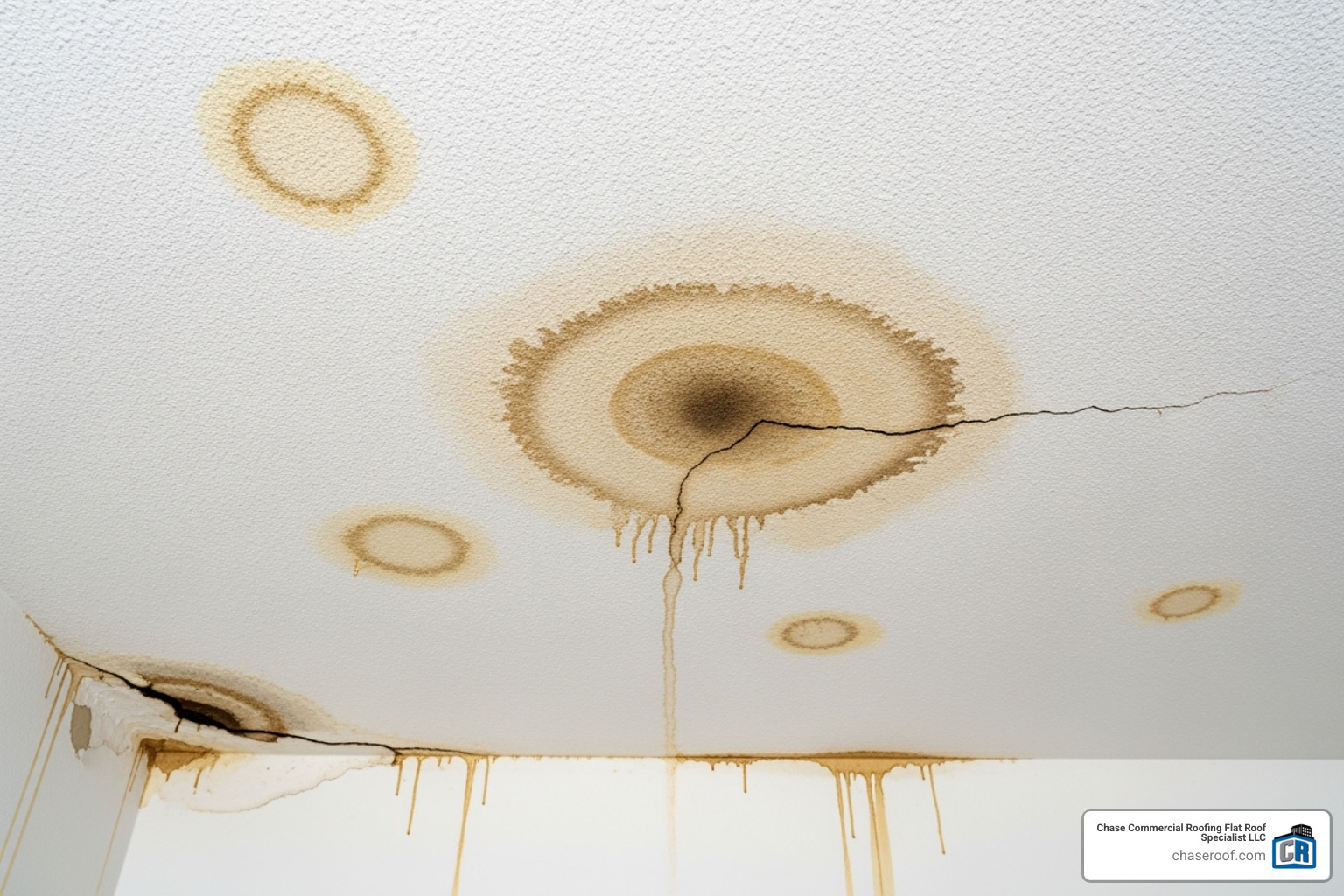
- Visible Leaks: Water stains on ceilings or walls.
- Ponding Water: Water standing on the roof for over 48 hours.
- Damaged Flashing: Tears or gaps around vents and edges.
- Blisters or Bubbles: Raised areas on the roof membrane.
- Rising Energy Bills: An unexpected increase in heating or cooling costs.
- Strange Odors: Musty smells inside, often from mold.
I’m John Chase, founder of Chase Commercial Roofing Flat Roof Specialist LLC. With over 30 years of experience, I know that timely, expert commercial roof repair can save businesses thousands.
Identifying the Red Flags: When Does Your Commercial Roof Need Repair?
Your commercial roof constantly gives signals about its health. The trick is reading them before they become emergencies. While a drip from the ceiling is an obvious cry for help, your roof often gives subtle warnings first.
Ponding water is a major sign that it’s time to repair commercial roof issues. Water sitting on your roof for more than 48 hours after a storm is trouble. A flat roof needs proper slope to drain; standing water slowly eats away at the membrane.
Also, watch for blistering membranes and bubbling surfaces. These raised bumps are pockets of trapped moisture or gas that weaken your roof from within.
Your roof’s flashing needs special attention. This material seals edges and wraps around vents and HVAC units. Damaged or separated flashing creates easy entry points for water.
Don’t overlook clogged drains and gutters. Blocked drainage causes water to back up, adding extra weight to your roof. A sagging roof deck is a serious warning of water damage or structural problems that need immediate attention.
Many business owners miss that rising energy bills can signal roof problems. A compromised roof membrane reduces thermal efficiency, forcing your HVAC system to work overtime.
Finally, trust your nose. Musty odors often point to hidden moisture or mold from unseen roof leaks.
The best defense is regular professional inspections. Catching these signs early allows you to learn more about how to identify roof leaks and address them before they become costly disasters.
The High Cost of Waiting: Why Timely Repair is Non-Negotiable
A tiny drip from your commercial roof might seem harmless, but ignoring it can turn a simple repair commercial roof job into an expensive headache. Delaying repairs, even for minor issues, is non-negotiable.
A small leak can quickly lead to structural damage as water seeps into your building’s frame, weakening supports. Where there’s water, there’s often mold growth, which poses health risks and requires costly remediation.
For businesses, a leaking roof can mean direct inventory loss, ruining stored goods and machinery. A small problem can also escalate into increased repair costs as water spreads, saturating insulation and damaging electrical systems. What could have been a minor fix can become a major disaster requiring a full roof replacement.
Leaks also create safety hazards, like slippery floors or electrical shorts. This can lead to business disruption, forcing you to close temporarily and lose revenue.
Ignoring warning signs can also lead to voided warranties, as many manufacturers require prompt repairs.
Proactive maintenance and timely repair commercial roof services are smart investments. They protect your property, keep your business running, and secure your financial future. When you spot an issue, reach out for expert help right away to prevent a small drip from turning into a flood of problems.
Common Culprits: A Guide to Frequent Commercial Roof Damage and Fixes
Commercial roofs, especially flat ones, endure harsh weather that leads to common types of damage. Understanding these issues is key to effective repair commercial roof solutions.
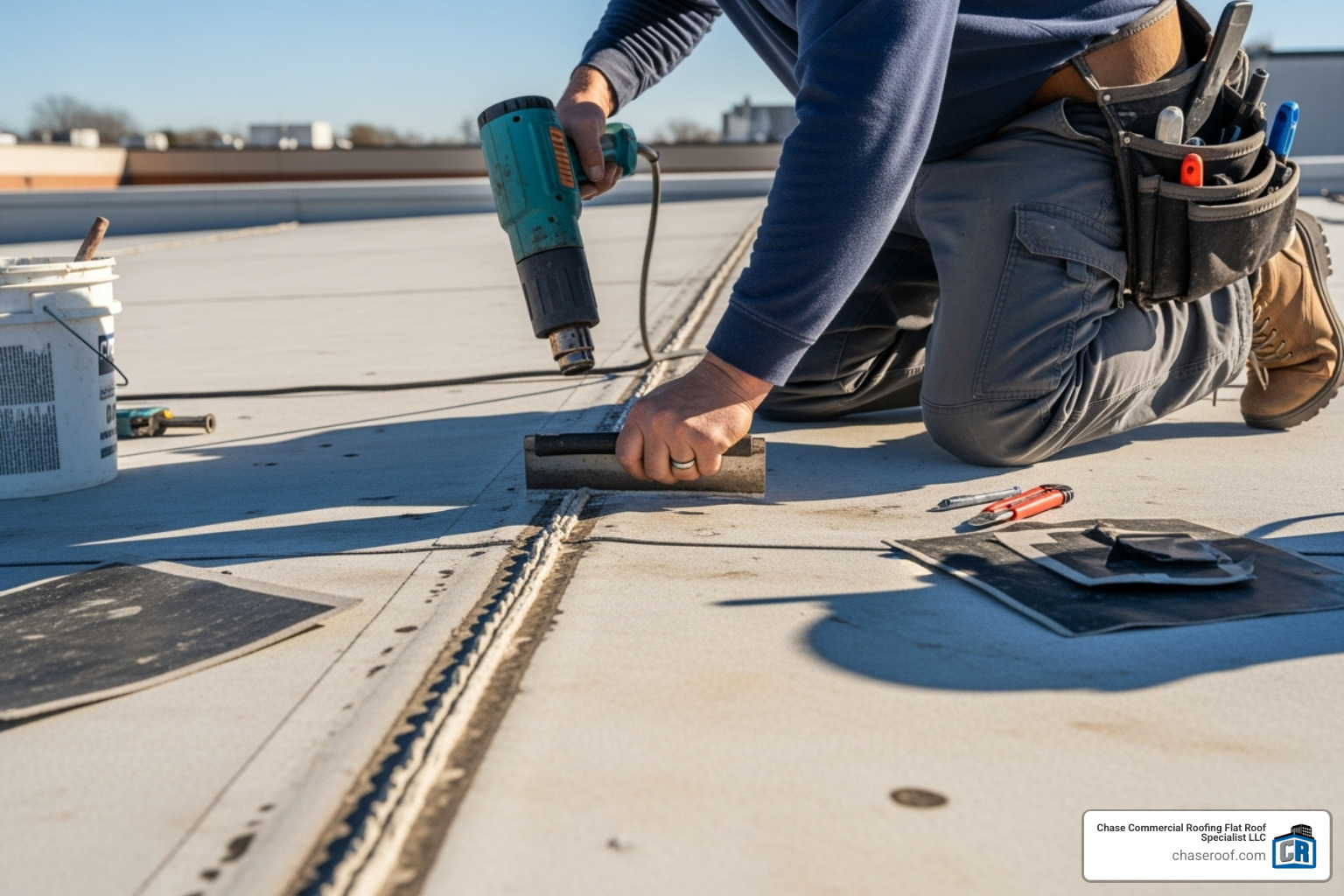
- Punctures and Tears: Debris or foot traffic can create holes in the membrane. The fix involves cleaning the area and applying a durable patch, often heat-welded for a seamless bond.
- Open Seams: Temperature fluctuations can cause seams in roofing sheets (like TPO or EPDM) to pull apart. We re-weld or re-adhere these seams to restore their integrity.
- Flashing Failure: The seals around vents and roof edges are weak points. Damaged flashing must be replaced and resealed with high-quality caulk to block water entry.
- Clogged Drains: Debris-filled drains lead to ponding water, which accelerates material breakdown. Clearing drains and gutters is a simple but critical task.
- Blisters and Ridges: Trapped moisture or air can create bubbles on the roof surface. These are carefully cut, dried, and patched to prevent them from splitting open.
- UV Degradation: Sunlight can make roofing materials brittle over time. Protective coatings can slow this process, but eventually, age-related damage will require repair.
The low-slope design of flat roofs requires specific knowledge. That’s why specialized commercial flat roof repair expertise is crucial for a lasting solution. Using the right, manufacturer-approved materials is non-negotiable for a durable fix. If you’re curious about material options, you can find the best materials for flat roof repairs by talking with a professional.
How to Address Common Commercial Roof Issues
Our approach to these issues is systematic and custom to your roof type. For punctures, we apply durable patches. For open seams, we re-weld or apply new adhesive. Damaged flashing is replaced and resealed. We clear drainage systems to prevent ponding water. Blisters are carefully repaired to release trapped moisture.
Repair, Restore, or Replace? Making the Right Financial Decision
When your commercial roof needs attention, you have to decide whether to repair, restore, or replace it. This is a major financial decision that impacts your business for years. Making the right call saves money and extends your roof’s life.
Here’s a breakdown to help you choose:
| Feature | Repair | Restoration | Replacement |
|---|---|---|---|
| Cost | Lowest (e.g., $600-$1,000 for minor leak) | Moderate (1/3 or less of replacement) | Highest |
| Lifespan Added | Short-term fixes (1-5 years) | Significant (10-15+ years) | Longest (20-30+ years) |
| Disruption | Minimal, localized | Low to moderate | High (full tear-off) |
| Ideal Scenario | Localized damage, minor leaks, budget constraints | Structurally sound roof with widespread surface wear, aging but not failing | Extensive damage, structural issues, saturated insulation, end-of-life roof |
| Environmental Impact | Low | Very low (less waste to landfill) | High (significant waste) |
When to Choose Commercial Roof Repair
Choosing to repair commercial roof damage is ideal for small, contained issues. We recommend repairs for localized damage like a single leak, a small puncture, or a minor seam gap. If the leak is minor and the roof is relatively young (under 15 years), a targeted repair is a cost-effective solution. It’s also a practical choice when facing budget constraints, as it buys you time and prevents a small problem from escalating. For more on costs, you can check out our flat roof repair price guide.
Understanding Commercial Roof Restoration
If your roof has widespread surface wear but is still structurally sound, restoration is an excellent option. This process involves applying a seamless, waterproof coating over the existing system. It’s highly cost-effective, often costing a third or less than a full replacement, and can add 10 to 15 years to your roof’s life. Restoration is also environmentally friendly, reducing landfill waste. Many coatings are “cool roof” systems that reflect sunlight, which can lower your energy bills, a benefit confirmed by the Department of Energy.
When a Full Replacement is Unavoidable
A full replacement is unavoidable in some cases. This step is necessary for roofs with extensive structural damage, or that are well past their 20-year lifespan. If you face frequent, recurring leaks, or if the insulation is saturated with water, a replacement is the only safe, long-term solution. While it is the most expensive option, it provides a fresh start with a modern, efficient roofing system.
Proactive Protection: A Preventative Maintenance Checklist
The secret to a long-lasting commercial roof is proactive preventative maintenance. Regular maintenance saves money, reduces building damage, and adds years to your roof’s lifespan, helping you avoid the need to repair commercial roof issues.

Here is a preventative maintenance checklist to keep your roof in top shape:
- Bi-Annual Inspections: Have a professional inspect your roof twice a year (spring and fall) and after major storms to catch issues early.
- Debris Removal: Regularly clear leaves, branches, and trash that can hold moisture and cause damage.
- Gutter and Drain Cleaning: Ensure gutters and drains are clear to prevent ponding water and potential water damage.
- Check Seals and Flashing: Inspect seals around vents and pipes for cracks or gaps, and re-apply sealant as needed.
- Limit Foot Traffic: Minimize walking on the roof and use designated walk pads to prevent punctures.
- Address Minor Issues Promptly: Fix small cracks or loose seams immediately to prevent them from becoming large leaks.
- Vegetation Management: Trim overhanging tree branches to prevent falling debris and damage.
- Keep Detailed Records: Maintain a log of all inspections, maintenance, and repairs for warranty and insurance purposes.
A strong maintenance plan is the best way to protect your roofing investment and keep your warranty valid.
Your Guide to Professional Commercial Roof Repair Services
Navigating commercial roof repair is straightforward with a trustworthy team. Choosing the right partners makes all the difference in keeping your property safe.
Choosing the Right Commercial Roof Repair Contractor
Picking the right contractor is essential when you need to repair commercial roof damage. Look for a company with a strong track record and these key qualifications:
- Licensed and Insured: This is non-negotiable protection for your property.
- Manufacturer Certifications: This ensures the contractor uses proper techniques, protecting your warranty.
- Local Experience: A local contractor understands regional weather challenges.
- Positive Reviews and References: Check their reputation with other local businesses.
- Strong Safety Record: Prioritize safety, as commercial roofing can be hazardous.
- Transparent Communication: A good contractor provides clear estimates and keeps you informed.
You can verify contractor credentials through industry associations like the NRCA.
Handling an Emergency Commercial Roof Repair
Severe storms can cause sudden roof damage. Here’s what to do in an emergency:
- Prioritize Safety: Evacuate if there is any risk of collapse or electrical hazards.
- Document the Damage: Take photos and videos for your insurance claim once it is safe.
- Avoid DIY Fixes: Do not send untrained personnel onto a damaged roof.
- Call a 24/7 Professional: Contact a commercial roofer with emergency services for temporary repairs to prevent further damage.
Understanding Costs and Warranties for Your Repair
Repair costs vary based on damage, materials, and accessibility. A minor leak repair typically costs $600-$1,000, but more extensive damage costs more. Always get a detailed estimate.
Repairs by a certified professional will not void your manufacturer’s warranty. Proper repairs actually help maintain it. It’s also important to distinguish between a warranty and life expectancy. A warranty covers defects, while life expectancy is how long a roof should last with proper care—often well beyond the warranty. For local expertise, especially if you need a roof leak repair in Passaic NJ, our team is ready to help.
Conclusion
Your commercial roof is the unsung hero of your business, guarding against New Jersey’s weather. Recognizing damage early and acting swiftly with professional commercial roof repair saves you from greater expenses and headaches. This is a smart business strategy that protects your investment and extends your roof’s lifespan.
From a small leak to a full restoration, making informed decisions with an expert partner is key. The certified team at Chase Commercial Roofing is ready to be that partner, providing the high-quality workmanship you deserve.
Don’t let roof worries weigh on your business. Contact us today for a comprehensive roof assessment and a clear, honest repair estimate! Let’s work together to keep your property secure.

