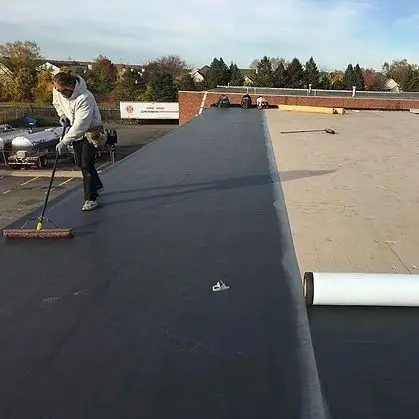
For business owners and property managers, reliable commercial roof repair in East Rutherford, NJ is an important part of protecting the building, inventory, equipment, employees, and day-to-day operations. Even a relatively small roof leak can allow moisture into insulation, ceilings, walls, electrical components, or interior work areas if it is not addressed promptly.
At Chase Commercial Roofing, we provide professional commercial roofing solutions for businesses throughout New Jersey. From leak detection and membrane repairs to storm damage and larger restoration projects, our team works with property owners to identify the source of roofing problems and determine the appropriate repair strategy.
East Rutherford’s commercial properties include warehouses, offices, retail buildings, industrial facilities, and other structures that commonly rely on flat and low-slope roofing systems. New Jersey’s rain, snow, freeze-thaw cycles, summer heat, and seasonal temperature changes can place significant stress on these roofs. Routine inspections and timely repairs can help prevent minor deterioration from turning into a larger roofing problem.
Common Commercial Roof Problems in East Rutherford
Commercial roofing problems do not always begin with an obvious leak. Damage can develop gradually around seams, penetrations, drainage areas, flashing, and sections of aging membrane. Recognizing warning signs early can make professional commercial roof repair in NJ more manageable and may help property owners avoid premature roof replacement.
Ponding Water
Flat and low-slope roofs depend on properly functioning drains, scuppers, gutters, and slopes to move water away from the building. When drainage is obstructed or portions of the roof settle, standing water may remain after a storm.
Persistent ponding can place additional stress on roofing materials and increase the likelihood that moisture will find its way through weakened seams, punctures, flashing, or other vulnerable areas.
Cracked or Separated Seams
Commercial roofing membranes expand and contract as temperatures change. Over time, this movement can weaken seams and attachment points. Once seams begin separating, water may enter beneath the roofing membrane and affect insulation or the underlying roof assembly.
Membrane Blisters and Bubbles
Blisters can form when moisture or air becomes trapped beneath the roofing membrane. Although not every blister means the roof is actively leaking, damaged or ruptured areas should be professionally evaluated before they become larger problems.
Punctures and Surface Damage
Commercial roofs often contain HVAC equipment, vents, pipes, drains, and other mechanical systems that require periodic service. Foot traffic, dropped tools, equipment work, tree debris, and severe weather can puncture or damage the roof surface.
Damaged Flashing
Flashing protects some of the most vulnerable parts of a commercial roof, including penetrations, walls, curbs, edges, vents, and rooftop equipment. Loose, cracked, deteriorated, or improperly sealed flashing is a common source of commercial roof leaks.
Clogged Roof Drains
Leaves, dirt, branches, and other debris can obstruct drainage systems and allow water to accumulate. Keeping drains and surrounding roof areas clear is an important part of preventative commercial roof maintenance.
Signs Your Commercial Roof May Need Repair
Roof damage is sometimes visible from the roof surface, but many property owners first notice trouble from inside the building. Some common warning signs include:
- Water stains on ceilings or walls
- Recurring roof leaks after heavy rain
- Wet or damaged ceiling tiles
- Bubbling, blistering, or cracking on the roof membrane
- Loose or deteriorated flashing
- Standing water that does not drain properly
- Visible punctures, tears, or open seams
- Sagging or noticeably uneven roof areas
- Unexpected moisture or mold odors inside the building
If water is actively entering the building, waiting can allow the damage to spread. Chase also provides emergency commercial roof repair for roofing problems that require prompt professional attention.
Repairing Different Types of Commercial Roofing Systems
The correct repair method depends heavily on the roofing system installed on the building. Materials should be evaluated and repaired using compatible products and methods rather than relying on a generic patch.
TPO Roofing Repair
TPO roofing systems are common on commercial and industrial buildings because they provide a durable single-ply membrane and are available with highly reflective surfaces.
Common TPO roof repairs may involve punctures, open seams, damaged flashing, membrane deterioration, or problems surrounding roof penetrations. Depending on the issue, repairs can include cleaning and preparing the damaged area, installing compatible membrane material, and heat-welding seams to restore the roofing system.
EPDM Roof Repair
EPDM roofing is a synthetic rubber membrane frequently used on flat and low-slope commercial roofs. Its flexibility makes it well suited to seasonal temperature changes, but seams, flashing, penetrations, and sections of membrane can still deteriorate over time.
Professional EPDM repair may include patching tears or punctures, addressing failed seams, repairing flashing, or replacing isolated damaged sections using materials designed specifically for EPDM systems.
Modified Bitumen and Other Flat Roofing Systems
Modified bitumen and other multi-layer commercial systems can experience cracking, blistering, membrane deterioration, flashing problems, and surface damage. Because repair techniques vary significantly by roofing material, an accurate inspection should come before the repair itself.
Chase works with numerous commercial flat roof systems and can evaluate the condition of the existing roof before recommending repairs.
Metal Roof Repair
Commercial metal roofing is valued for its strength and longevity, but it is not maintenance-free. Fasteners can loosen, sealants can deteriorate, panels may become damaged, and exposed areas can develop corrosion.
Depending on the condition of the roof, repairs may involve resealing fasteners and penetrations, treating corrosion, replacing damaged components, repairing seams, or applying an appropriate protective coating.
The Commercial Roof Repair Process
Successful roof repair begins by finding the source of the problem rather than simply treating the most visible symptom. Water can travel through insulation, decking, seams, and structural components before appearing inside a building, so the location of an interior stain does not always identify the actual entry point.
1. Commercial Roof Inspection
The first step is evaluating the overall roofing system and the area where damage is suspected. Depending on the roof and circumstances, an inspection may include:
- Roof membrane and surface condition
- Seams and attachment points
- Flashing and roof penetrations
- Drains, scuppers, and drainage patterns
- HVAC curbs and rooftop equipment
- Roof edges and perimeter details
- Signs of trapped or migrating moisture
- Previous repairs and patches
2. Identifying the Cause and Extent of Damage
Once the damaged areas are located, the next step is determining whether the problem is isolated or part of broader roof deterioration. A localized puncture may require a relatively straightforward repair, while widespread wet insulation, failing seams, or extensive membrane deterioration may require a more comprehensive solution.
3. Completing the Appropriate Roof Repair
The repair method should match the existing roofing system and follow applicable manufacturer requirements. Safety is equally important when commercial roofing work is performed. OSHA maintains specific fall-protection requirements for work performed on low-slope roofs. Property owners interested in workplace roofing safety can review the OSHA fall protection requirements.
4. Determining Whether Repair or Replacement Makes More Sense
Not every damaged commercial roof needs to be replaced. If the roof is otherwise in serviceable condition and the problem is localized, repair may be the most practical solution.
However, when a roofing system has widespread deterioration, saturated insulation, recurring leaks, extensive seam failure, or is approaching the end of its practical service life, commercial roof replacement in NJ may provide better long-term value than repeatedly repairing failing areas.
Preventative Commercial Roof Maintenance
One of the best ways to reduce unexpected commercial roof repairs is to inspect and maintain the roof before problems become emergencies. Preventative maintenance allows building owners to identify small issues while they are still more manageable.
Winter Roof Care
Before winter, drains and drainage paths should be cleared of leaves and debris. Flashing, seams, penetrations, and previously repaired areas should also be checked for deterioration that could allow melting snow or winter rain into the roofing system.
Spring Roof Inspections
Winter weather can expose weaknesses in commercial roofing materials. A spring inspection can help identify membrane cracks, loose flashing, drainage problems, punctures, and other damage before seasonal rains intensify.
Summer Heat and UV Exposure
High temperatures and prolonged ultraviolet exposure can affect commercial roofing materials over time. Reflective roofing membranes and coatings can help manage rooftop heat depending on the roofing system and building design.
The U.S. Department of Energy provides additional information about how cool and reflective roofing can affect building energy use.
For suitable existing roofs, a professional commercial roof coating may also help protect the roof surface and extend service life without immediately replacing the entire system.
Fall Roof Maintenance
Fallen leaves and debris should be removed before winter, especially around drains and other water-management areas. Fall is also a good time to inspect seams, flashing, penetrations, and rooftop equipment following summer storms and heat exposure.
Commercial Roofing Codes and Requirements in New Jersey
Commercial roofing work must also comply with applicable state and local construction requirements. New Jersey adopts statewide construction codes through the Uniform Construction Code, while permits and inspections are generally administered by the appropriate local enforcing agency.
Property owners can review the current New Jersey construction codes through the Department of Community Affairs. A qualified roofing contractor should determine which permits and code provisions apply to the specific scope of work.
Choosing a Commercial Roofing Contractor in East Rutherford
Commercial roof repair should be performed by a contractor familiar with flat and low-slope roofing systems, New Jersey weather conditions, commercial buildings, and the materials installed on your property.
When evaluating a roofing company, consider:
- Commercial roofing experience: Residential and commercial roofing systems often require different materials, equipment, and installation techniques.
- Insurance and applicable credentials: Ask for current documentation appropriate to the project.
- Experience with your roofing system: TPO, EPDM, metal, modified bitumen, and coating systems require different repair methods.
- Detailed inspections: A contractor should determine why the roof is leaking rather than simply covering the visible symptom.
- Clear proposals: The scope of work should explain the recommended repair and materials.
- Commercial references and reviews: Look for experience with properties and roofing systems similar to yours.
- Warranty information: Understand what is covered by the roofing manufacturer and what workmanship protection is provided by the contractor.
Working with a local company familiar with the area can also help when rapid response is important. Chase provides dedicated commercial roofing services in East Rutherford, NJ for local businesses and property owners.
Repairing Your Commercial Roof Before Small Problems Become Major Ones
A commercial roof protects far more than the building itself. It protects equipment, inventory, employees, tenants, customers, and the ability to continue normal business operations. Addressing leaks and deterioration early can help prevent water damage and reduce the likelihood of a more extensive roofing project later.
Whether your East Rutherford property has a leaking TPO membrane, damaged EPDM, deteriorated flashing, drainage problems, storm damage, or an aging commercial roof, the first step is determining the actual cause and extent of the problem.
Chase Commercial Roofing provides commercial roof repair throughout New Jersey, along with commercial roof installation, replacement, emergency service, coatings, and specialized flat roofing solutions.
If your building is experiencing a leak or showing signs of roof deterioration, contact Chase Commercial Roofing to schedule an assessment and discuss the right solution for your East Rutherford commercial property.
“`