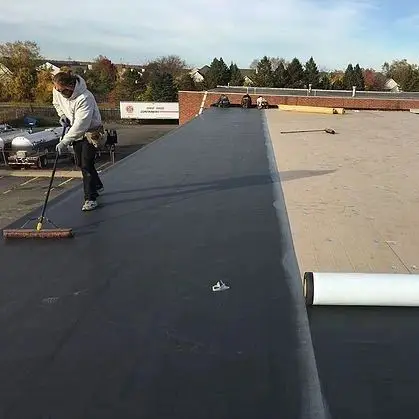
How to Find Reliable Commercial Flat Roofing Contractors
Choosing the right commercial flat roofing contractors is one of the most important decisions a business owner or property manager can make for a commercial building. Your roof protects equipment, inventory, employees, tenants, and daily operations from weather and water intrusion, so the contractor you choose can have a direct impact on long-term building performance.
At Chase Commercial Roofing, we provide professional commercial roofing solutions throughout New Jersey. From flat roof installation and repair to replacement, coatings, and emergency service, our team helps property owners choose roofing solutions based on the actual needs of their buildings.
When evaluating a commercial roofing company, look for experience, insurance, system-specific knowledge, clear written proposals, local references, and a proven understanding of commercial roofing materials.
Why Experience With Commercial Flat Roofing Matters
Commercial flat and low-slope roofing systems are very different from typical residential roofing. They require specialized knowledge of drainage, membranes, insulation, flashing, seams, penetrations, rooftop equipment, and installation methods.
An experienced commercial roofing contractor should understand how to work with different commercial flat roof systems and how each system performs under New Jersey’s changing weather conditions.
A contractor should also be able to explain whether your roof needs repair, restoration, or full replacement rather than automatically recommending the most expensive option.
Common Commercial Flat Roofing Systems
Understanding the major roofing systems used on commercial buildings can help property owners make better decisions when comparing contractor recommendations.
EPDM Roofing
EPDM is a synthetic rubber roofing membrane that has been widely used on commercial buildings for decades. It is known for flexibility and its ability to accommodate seasonal temperature changes.
Chase installs and services EPDM roofing systems in New Jersey for commercial properties.
TPO Roofing
TPO is a thermoplastic single-ply membrane commonly used on flat and low-slope commercial roofs. It is available in reflective colors and typically uses heat-welded seams to create a continuous roofing surface.
Learn more about commercial TPO roofing and whether it may be appropriate for your building.
PVC Roofing
PVC is another thermoplastic single-ply membrane. It is often considered for commercial buildings where resistance to grease, oils, chemicals, or other contaminants is important.
Restaurants, manufacturing facilities, and certain industrial properties may benefit from PVC depending on building use and roof exposure.
Modified Bitumen Roofing
Modified bitumen combines asphalt with polymer modifiers to create a durable multi-layer roofing system.
It can be a practical option for commercial roofs that experience regular rooftop traffic or require a robust, layered waterproofing assembly.
Built-Up Roofing
Built-up roofing, often called BUR, is a traditional commercial roofing system constructed using alternating layers of asphalt and reinforcing materials.
Its multiple layers can provide durability and redundancy, although installation requirements differ significantly from modern single-ply systems.
How to Compare Commercial Roofing Contractors
Choosing a contractor should involve more than collecting three estimates and selecting the lowest number.
The National Roofing Contractors Association offers guidance for selecting roofing contractors and recommends evaluating qualifications, experience, reputation, insurance, and proposed scopes of work.
Important factors to compare include:
- Commercial roofing experience
- Experience with your roofing system
- General liability and workers’ compensation insurance
- Manufacturer training or certifications where applicable
- References from similar commercial projects
- Detailed written proposals
- Warranty information
- Emergency service capabilities
- Clear project communication
Commercial Roof Installation and Replacement
Commercial roof installation requires coordination between the roofing system, building structure, drainage, insulation, rooftop equipment, penetrations, and applicable code requirements.
Whether the project involves new construction or replacing an aging roof, a qualified contractor should evaluate the building before recommending a system.
Chase provides professional commercial roof installation and commercial roof replacement in New Jersey for a variety of commercial roofing systems.
Commercial Roof Repair and Leak Detection
Not every roofing problem requires replacement. Many commercial roofs can remain serviceable with timely repairs when the damage is isolated.
Common commercial roof repairs include:
- Leak detection
- Membrane puncture repair
- Open or deteriorated seam repair
- Flashing correction
- Repairs around HVAC units and penetrations
- Drainage-related repairs
- Storm damage repair
Professional commercial roof repair should focus on identifying the source of the problem rather than simply covering the visible symptom.
When Emergency Commercial Roofing Service Is Needed
Roof leaks and storm damage can happen unexpectedly. Active water intrusion can affect ceilings, electrical components, inventory, equipment, and business operations.
When a roofing problem requires immediate attention, emergency commercial roof repair can help stabilize the situation and reduce the potential for additional damage.
What Factors Affect a Commercial Roofing Project?
Every commercial roofing project is different, which is why universal square-foot pricing can be misleading.
Several factors influence the scope and cost of a roofing project:
- Roof size: Larger buildings require more material and labor.
- Roof condition: Existing moisture, damaged insulation, or deteriorated decking can increase the scope of work.
- Roofing material: TPO, EPDM, PVC, modified bitumen, metal, and other systems have different installation requirements.
- Building height and access: Lifts, cranes, staging, or additional safety measures may be required.
- Rooftop equipment: HVAC units, skylights, vents, and other penetrations require additional flashing and detailing.
- Drainage: Drains, scuppers, gutters, and slope all affect roof performance.
- Tear-off requirements: Some projects require removal of the existing roofing system before installation.
The correct roofing solution should balance upfront cost, expected service life, maintenance requirements, building use, and long-term value.
Roof-Over vs. Full Tear-Off
In some situations, a new roofing system may be installed over an existing roof. This is commonly referred to as a roof-over or overlay.
However, an overlay is not appropriate for every building. Existing moisture, deteriorated insulation, structural concerns, code limitations, or multiple existing roof layers may require complete removal.
A contractor should inspect the existing roofing assembly and determine whether the substrate is suitable before recommending an overlay.
Commercial Roofing Safety Matters
Commercial roofing involves significant fall and workplace hazards, especially on large flat and low-slope roofs.
Contractors should use appropriate safety procedures, equipment, and fall protection based on the conditions of the project.
OSHA provides specific guidance for roofing work and fall protection. Property owners can review OSHA fall protection requirements for construction for additional information.
Can Roof Coatings Extend the Life of a Commercial Roof?
Some existing commercial roofs may qualify for restoration using a protective roof coating rather than immediate replacement.
Coatings can create an additional protective surface over a compatible roofing system after the existing roof has been inspected, cleaned, and repaired as necessary.
Chase provides commercial roof coating systems for suitable existing roofs.
However, coatings should not be used to hide severe deterioration or trapped moisture. The roof must first be evaluated to determine whether restoration is appropriate.
How Often Should Commercial Flat Roofs Be Inspected?
A widely used industry guideline is to inspect commercial roofs approximately twice per year, generally in spring and fall, with additional inspections after severe storms or significant rooftop work.
Routine inspections can identify developing problems such as:
- Small punctures
- Open seams
- Deteriorated flashing
- Blocked drains
- Ponding water
- Damaged membrane areas
- Problems around rooftop equipment
Finding these issues early may allow repairs to be completed before water spreads through larger areas of the roofing assembly.
Questions to Ask a Commercial Flat Roofing Contractor
Before choosing a contractor, ask questions that help you understand both the company and the proposed roofing solution.
- How much experience do you have with this type of roofing system?
- Can you provide references from similar commercial projects?
- What insurance coverage do you carry?
- What roofing system do you recommend and why?
- Does the existing roof need to be removed?
- How will drainage be addressed?
- What is included in the scope of work?
- What manufacturer and workmanship warranties apply?
- How will rooftop equipment and penetrations be handled?
- Who will be the main point of contact during the project?
A contractor should be able to answer these questions clearly and explain the reasoning behind the proposed solution.
Frequently Asked Questions About Commercial Flat Roofing
Can a new flat roof be installed over an existing roof?
Sometimes. Whether a roof-over is appropriate depends on the condition of the existing roofing system, insulation, deck, moisture levels, structural capacity, and applicable building-code requirements.
A professional assessment should be completed before an overlay is recommended.
Which commercial flat roofing system is best?
There is no single roofing material that is best for every commercial building.
TPO, EPDM, PVC, modified bitumen, metal, and other systems each have advantages depending on roof slope, building use, environmental exposure, budget, maintenance expectations, and design requirements.
How long does a commercial flat roof last?
Commercial roof lifespan varies significantly based on roofing material, installation quality, weather exposure, drainage, maintenance, foot traffic, and other conditions.
Rather than relying on a single lifespan estimate, property owners should evaluate the condition and performance of the specific roofing system.
Choose a Commercial Roofing Contractor Who Protects Your Investment
The right commercial roofing contractor does more than install roofing material. They help you understand the condition of your building, identify the right system, plan for long-term performance, and respond when problems develop.
When comparing commercial flat roofing contractors, prioritize experience, transparency, system knowledge, safety, clear proposals, and a track record of commercial work.
Chase Commercial Roofing provides commercial roofing services throughout New Jersey, including flat roof installation, repair, replacement, coatings, metal roofing, and emergency service.
If you are evaluating roofing contractors for your commercial property, contact Chase Commercial Roofing to schedule an assessment and discuss the best roofing solution for your building.
“`