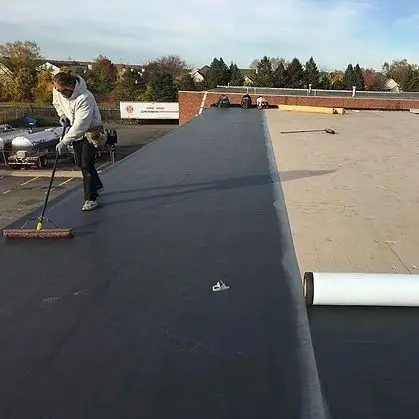
Commercial roof maintenance plans provide property owners and facility managers with a proactive way to protect one of their building’s most important assets. Instead of waiting for a leak, membrane failure, or other roofing emergency, a scheduled maintenance program helps identify developing problems before they lead to more extensive damage.
For New Jersey businesses, regular roof care is especially important. Commercial roofs are exposed to heavy rain, snow and ice, freeze-thaw cycles, summer heat, UV exposure, wind, debris, and frequent temperature changes throughout the year.
At Chase Commercial Roofing, we help businesses protect flat and low-slope roofing systems through professional inspections, maintenance, repairs, and long-term roofing solutions. A well-planned maintenance strategy can help reduce unexpected problems and provide building owners with a clearer picture of their roof’s condition.
What Is a Commercial Roof Maintenance Plan?
A commercial roof maintenance plan is a scheduled program for inspecting and caring for a commercial roofing system. The goal is to identify deterioration early, keep drainage systems functioning properly, address minor issues, and document changes in the roof’s condition over time.
Rather than operating on a reactive “repair it when it leaks” approach, preventative maintenance allows property owners to manage the roof as a long-term building asset.
A typical commercial roofing maintenance program may include:
- Scheduled roof inspections
- Inspection of membranes, seams, flashing, and penetrations
- Roof drain, gutter, and scupper checks
- Removal of leaves and other debris
- Identification of ponding water or drainage issues
- Inspection around HVAC units and other rooftop equipment
- Minor sealing or repair recommendations
- Photographs and documentation of roof conditions
- Recommendations for larger repairs when necessary
The exact maintenance requirements depend on the roof’s age, material, condition, drainage design, amount of rooftop equipment, foot traffic, and exposure to weather.
Why Commercial Roof Maintenance Matters
A commercial roof rarely fails all at once without warning. Many serious roofing problems begin as relatively small issues: an opening at a seam, deteriorated flashing, a clogged drain, a small puncture, loose material around a penetration, or a damaged section of membrane.
When these conditions are identified early, commercial roof repairs may be more localized and manageable. When they remain unnoticed, water can migrate beneath the roofing system and potentially affect insulation, decking, interior ceilings, walls, equipment, or other parts of the building.
Catch Problems Before They Become Emergencies
Routine inspection gives contractors an opportunity to identify deterioration before a property owner discovers it through an interior leak.
Some of the conditions commonly identified during roof maintenance include:
- Open or deteriorating seams
- Loose or damaged flashing
- Membrane punctures and tears
- Standing or ponding water
- Blocked roof drains
- Deteriorated sealants
- Damage surrounding HVAC equipment
- Signs of previous moisture intrusion
- Storm or wind damage
When an active leak or severe roofing problem does occur, Chase also provides emergency commercial roof repair for situations that require prompt professional attention.
Can Roof Maintenance Extend the Life of a Commercial Roof?
Preventative maintenance cannot make a roofing system last indefinitely, but regular inspection and timely repairs can help a roof reach more of its intended service life.
The National Roofing Contractors Association’s roof inspection and maintenance guidance emphasizes periodic inspections and prompt repairs as important parts of maximizing roof performance.
Industry research cited by Buildings magazine has also compared proactively maintained roofs with roofs managed reactively. In the research discussed, proactively maintained roofs averaged longer service lives and lower annual maintenance costs per square foot. These figures should be viewed as industry benchmarks rather than guarantees for an individual building, since roof life varies considerably based on system type, installation, climate, drainage, traffic, and other conditions.
The practical principle is simple: finding and repairing a small problem is generally preferable to discovering it only after water has spread through the roofing assembly.
What Is Included in a Commercial Roof Maintenance Plan?
A good maintenance program should be more comprehensive than simply walking across the roof and checking for obvious leaks. The contractor should evaluate the components that commonly contribute to commercial roofing problems.
Roof Membrane Inspection
The field of the roof should be inspected for punctures, cracks, blisters, deterioration, open seams, damaged patches, and other visible changes.
This is particularly important for common commercial flat roof systems, where water management and membrane integrity play major roles in overall roof performance.
Flashing and Penetrations
Roof penetrations are among the most important areas to inspect. HVAC curbs, vents, pipes, skylights, walls, parapets, and other penetrations create transitions in the roofing system that require proper flashing and sealing.
Deteriorated flashing or sealants around these areas can provide a direct path for water.
Roof Drains, Gutters, and Scuppers
Flat and low-slope roofing systems rely heavily on effective drainage. Leaves, branches, trash, sediment, and other debris can block drains and allow water to remain on the roof.
Standing water can place additional stress on roofing materials and may accelerate deterioration around seams, flashing, and damaged areas.
Rooftop Equipment
Commercial roofs frequently contain HVAC equipment, exhaust systems, vents, antennas, and other mechanical components. Technicians servicing this equipment can unintentionally puncture or damage roofing materials, which is one reason inspections after significant rooftop work can be valuable.
Minor Repairs and Preventative Corrections
Depending on the maintenance agreement and roofing system, minor work may be completed during scheduled visits or documented for approval.
Examples may include replacing deteriorated sealant, correcting isolated flashing issues, repairing small membrane punctures, or securing loose roofing components.
How Often Should a Commercial Roof Be Inspected?
A widely used industry guideline is to inspect roofing systems approximately twice per year, commonly in the spring and fall, with additional inspections following severe weather.
NRCA guidance specifically recommends inspections in spring and fall and after severe storms. This schedule helps identify winter damage during spring and address problems before harsh winter weather arrives in the fall.
However, not every commercial roof needs the exact same inspection schedule. Factors that may justify more frequent attention include:
- An older roofing system
- A history of leaks
- Heavy rooftop foot traffic
- Numerous HVAC units or penetrations
- Drainage problems
- Recent severe storms
- Construction or mechanical work performed on the roof
- Known areas of previous repair
Seasonal Commercial Roof Maintenance in New Jersey
New Jersey’s seasonal weather makes year-round commercial roof care particularly important.
Spring Roof Maintenance
After winter, the roof should be checked for damage caused by snow, ice, freezing temperatures, and wind. Spring inspections can identify open seams, compromised flashing, drainage obstructions, or other deterioration before periods of heavier rainfall.
Summer Roof Maintenance
Heat and UV exposure can place stress on roofing materials, especially on older systems. Summer is a good time to examine membrane condition, seams, coatings, and areas prone to ponding water.
For some existing roofing systems, professionally applied commercial roof coatings may provide an additional protective surface and help extend the useful life of a roof when the existing system is an appropriate candidate.
Fall Roof Maintenance
Fall inspections provide an opportunity to clear leaves and debris, inspect drainage components, and address defects before snow, ice, and freezing temperatures arrive.
After Severe Weather
High winds, heavy rain, hail, falling debris, and significant snow events can damage commercial roofing components. A targeted post-storm inspection may identify problems that were not present during the previous scheduled visit.
Commercial Roof Maintenance and Roofing Warranties
Roof warranties vary considerably by manufacturer, roofing system, contractor, and warranty type. Property owners should never assume that every commercial warranty has identical maintenance requirements.
Many roofing warranties place responsibilities on the building owner, which may include properly maintaining the roofing system and promptly addressing damage or conditions that are not covered by the warranty.
For that reason, building owners should retain copies of:
- Manufacturer warranty documents
- Contractor workmanship warranties
- Inspection reports
- Roof photographs
- Repair invoices and documentation
- Records of roof modifications or rooftop equipment installation
NRCA notes that many roof warranties require roofing systems to be properly maintained. Property owners should always review the specific terms of their own warranty rather than relying on a general maintenance rule.
Why Roof Maintenance Documentation Matters
A well-maintained roof history can become extremely useful over the life of a building. Instead of relying on memory when a leak develops, the property manager can review records showing previous repairs, problem areas, roof modifications, and changes in condition.
A roof maintenance file may include:
- Baseline roof condition reports
- Dated inspection photographs
- Descriptions of completed repairs
- Locations of recurring problems
- Manufacturer and contractor warranty information
- Records of HVAC or rooftop equipment work
- Storm-related inspections
- Recommendations for future repairs or replacement
Over time, these records can also help property owners make more informed capital-planning decisions.
How Much Does a Commercial Roof Maintenance Plan Cost?
There is no universal price for commercial roof maintenance because commercial buildings and roofing systems vary significantly.
Factors that can affect the cost of a maintenance program include:
- Roof size: Larger roofs require more inspection and service time.
- Roofing material: TPO, EPDM, metal, modified bitumen, coatings, and other systems have different maintenance requirements.
- Roof age and condition: Older or previously neglected roofs may require more attention.
- Roof accessibility: Some buildings require specialized access or safety equipment.
- Number of penetrations: HVAC units, vents, pipes, skylights, and other penetrations increase inspection complexity.
- Drainage configuration: Buildings with extensive internal drains, scuppers, gutters, or known ponding areas may require additional attention.
- Inspection frequency: A roof inspected several times per year will have different program costs than one receiving annual service.
The better comparison is often not simply the price of maintenance versus doing nothing. It is the predictable cost of maintenance compared with the potential cost of emergency repairs, interior damage, repeated leak calls, or premature replacement.
Maintenance vs. Commercial Roof Replacement
Maintenance is intended to preserve a serviceable roofing system; it cannot reverse advanced deterioration.
If inspections reveal extensive moisture infiltration, widespread membrane failure, saturated insulation, recurring leaks, or deterioration throughout large portions of the roof, continuing to make isolated repairs may no longer provide the best value.
In those situations, Chase can evaluate whether commercial roof replacement in New Jersey is more appropriate than continuing to repair an aging system.
For new construction or buildings requiring an entirely new roofing assembly, we also provide commercial roof installation for a range of commercial roofing systems.
Frequently Asked Questions About Commercial Roof Maintenance Plans
What happens if a major problem is found during an inspection?
If an inspection identifies significant membrane damage, widespread moisture, structural concerns, or another condition outside the scope of routine maintenance, the contractor should document the problem and explain the available repair or replacement options.
Major work should generally be addressed through a separate scope of work so the building owner understands the problem, recommended solution, and associated costs.
Can an older commercial roof still benefit from maintenance?
Yes. An older roof may benefit significantly from regular inspection because developing problems can be identified sooner. However, the roof should first be evaluated to determine whether it remains a reasonable candidate for continued maintenance and repair.
If deterioration has become widespread, replacement may be more practical than repeatedly repairing isolated areas.
Is a commercial roof maintenance plan the same as a warranty?
No. A warranty and a maintenance plan serve different purposes.
A roofing warranty provides specific coverage under defined terms and exclusions. A maintenance plan provides scheduled inspections and ongoing care intended to preserve the roofing system and identify problems.
Maintenance may also help building owners fulfill responsibilities specified in their warranty documents, but the exact requirements depend on the particular warranty.
Can maintenance prevent every commercial roof leak?
No maintenance program can guarantee that a roof will never leak. Severe weather, falling debris, equipment damage, building movement, unexpected membrane failure, and other events can still cause problems.
Regular maintenance does, however, improve the likelihood that developing deterioration will be identified before it causes more extensive damage.
Protect Your Commercial Roof With Proactive Maintenance
A commercial roof should not be ignored until water begins entering the building. Regular inspections, drainage maintenance, documentation, and timely repairs give property owners a more proactive way to manage their roofing system.
For New Jersey businesses, this is especially important because roofs must perform through significant seasonal changes, including summer heat, heavy rain, snow, ice, wind, and repeated freeze-thaw cycles.
Chase Commercial Roofing provides comprehensive commercial roofing services for businesses throughout New Jersey, including inspections, commercial roof repair, roof coatings, emergency service, installation, and replacement.
If you want to better understand the condition of your commercial roof and develop a proactive strategy for protecting it, contact Chase Commercial Roofing to schedule an assessment.
“`