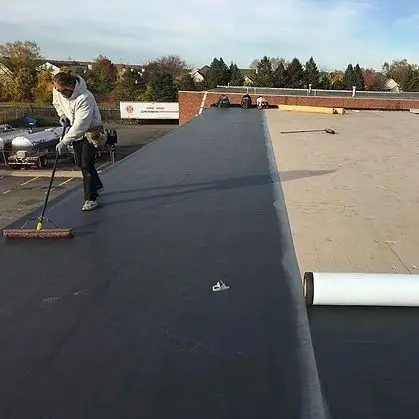
What Is Commercial Roofing Maintenance?
Commercial roofing maintenance is the ongoing process of inspecting, cleaning, monitoring, documenting, and repairing a commercial roofing system before small problems develop into larger ones.
A maintenance program should consider the entire roof assembly—not just whether the membrane is currently leaking.
At Chase Commercial Roofing, we provide commercial roofing services throughout New Jersey, helping businesses, property managers, and facility managers maintain flat and low-slope roofing systems.
Why Commercial Roof Maintenance Matters
Your roof protects much more than the building itself. A leak can potentially affect:
- Inventory
- Machinery
- Electronics
- Office equipment
- Interior finishes
- Employees and tenants
- Daily business operations
Routine maintenance helps building owners understand the condition of the roof and identify developing problems while there may still be more repair options available.
What Should Commercial Roofing Maintenance Include?
Roof Surface Inspection
The roofing membrane or surface should be evaluated for visible deterioration or damage.
Common conditions to look for include:
- Punctures
- Tears
- Open seams
- Blisters
- Cracks
- Loose materials
- Deteriorated previous repairs
Flashing Inspection
Flashing protects areas where the roof meets other building components.
Important areas include:
- HVAC curbs
- Parapet walls
- Roof edges
- Pipes
- Vents
- Skylights
- Drains
Loose, cracked, separated, or deteriorated flashing can create potential pathways for water intrusion.
Drainage Maintenance
Flat and low-slope roofs depend on properly functioning drains, scuppers, gutters, and downspouts.
Leaves, sediment, trash, and other debris can restrict water flow and contribute to ponding.
Debris Removal
Branches, leaves, construction materials, and wind-blown debris should not be allowed to accumulate on the roof.
Debris can block drainage, trap moisture, and potentially damage roofing membranes.
Penetration Checks
Pipes, vents, mechanical equipment, and other penetrations should be inspected because each one creates a transition in the roofing system.
Documentation
Each maintenance visit should create a useful record of roof condition.
Documentation may include:
- Photographs
- Inspection notes
- Repair locations
- Drainage concerns
- Priority recommendations
- Previous repair history
How Often Should a Commercial Roof Be Inspected?
There is no single inspection schedule that fits every commercial building.
Inspection frequency should consider:
- Roofing material
- Roof age and condition
- Previous leaks
- Rooftop traffic
- Building use
- Surrounding trees
- Storm exposure
- Manufacturer or warranty requirements
Many building owners incorporate seasonal inspections and additional evaluations after significant storms, rooftop construction, or newly discovered leaks.
The National Roofing Contractors Association provides training and guidance focused on roof inspection, leak detection, moisture surveys, maintenance, and repair.
Review the NRCA’s roof repair and maintenance guidance for additional information.
Spring Commercial Roof Maintenance
Spring can be a useful time to evaluate how the roofing system performed through winter.
A spring inspection may include:
- Checking membrane condition
- Inspecting flashing
- Clearing drainage components
- Looking for storm damage
- Reviewing previous repairs
- Checking for newly developed ponding areas
Fall Commercial Roof Maintenance
Before winter weather arrives, property managers may want to focus on:
- Removing leaves and debris
- Clearing drains and scuppers
- Inspecting roof edges
- Checking flashing and penetrations
- Reviewing known leak areas
- Updating emergency contact information
Post-Storm Roof Inspections
Major storms can cause roofing damage that may not be visible from the ground.
A post-storm inspection may identify:
- Wind-related edge damage
- Loose flashing
- Membrane punctures
- Debris accumulation
- Blocked drainage
- Damage around rooftop equipment
Commercial Roof Drainage Maintenance
Drainage deserves particular attention on flat and low-slope roofing systems.
Commercial roofs may use:
- Internal roof drains
- Scuppers
- Gutters
- Downspouts
- Overflow drainage
If water repeatedly remains on the roof after rainfall, the problem may involve more than a clogged drain.
Potential causes can include:
- Compressed insulation
- Low areas
- Deck movement
- Insufficient slope
- Drainage design
TPO Roof Maintenance
TPO is a thermoplastic single-ply roofing system commonly used on commercial buildings.
Maintenance may include checking:
- Heat-welded seams
- Punctures
- Flashing
- Drainage
- Roof edges
- Areas around mechanical equipment
Learn more about Chase’s TPO roofing services in New Jersey.
EPDM Roof Maintenance
EPDM is a synthetic rubber roofing membrane commonly found on commercial flat roofs.
Maintenance should consider:
- Membrane condition
- Seams and tapes
- Flashing
- Punctures
- Drainage
- Previous repairs
Chase also provides EPDM roofing services.
Metal Roof Maintenance
Commercial metal roofing requires a different maintenance approach from membrane roofs.
Inspections may focus on:
- Panel seams
- Fasteners
- Flashing
- Sealants
- Corrosion
- Penetrations
Learn more about Chase’s commercial metal roofing services.
Modified Bitumen and Built-Up Roof Maintenance
Asphalt-based commercial roofing systems should be checked for surface deterioration, cracking, flashing problems, drainage issues, and damage to individual roof layers.
The repair methods used for these systems differ from those used on TPO or EPDM.
Why Rooftop Traffic Should Be Controlled
HVAC technicians, electricians, contractors, inspectors, and other personnel may need regular roof access.
Repeated foot traffic can contribute to:
- Membrane punctures
- Compressed insulation
- Damage around equipment
- Wear in high-traffic areas
Depending on the roofing system, designated walkways or additional protection may be appropriate around frequently serviced equipment.
Watch Previous Repair Areas
Repairs should not disappear from the maintenance plan once the work is complete.
Previous patches, repaired seams, replaced flashing, and other corrected areas should continue to be checked during future inspections.
This helps determine whether the repair remains serviceable or whether the surrounding roofing system is changing.
Can Infrared Scanning Help With Roof Maintenance?
Infrared surveys can sometimes help identify areas that may contain moisture beneath the visible roofing surface.
However, infrared findings need to be interpreted within the context of the specific roof assembly and environmental conditions.
The technology is a diagnostic tool, not a substitute for professional evaluation.
Can Drones Be Used for Commercial Roof Inspections?
Drones can help document large roof areas, roof edges, difficult-to-view sections, and overall site conditions.
They can be particularly useful for photographic documentation.
However, drone imagery does not replace hands-on inspection when seams, flashing, membrane conditions, and other details need physical examination.
Commercial Roof Coatings and Maintenance
Some existing roofing systems may qualify for restoration using a coating system.
Before applying a coating, the roof should be evaluated for:
- Active leaks
- Wet insulation
- Membrane damage
- Drainage problems
- Compatibility
Coatings should not simply be applied over unresolved roofing defects.
For suitable roofs, Chase provides commercial roof coating services.
Cool Roofs and Energy Performance
Some commercial roofing systems and coatings are designed with higher solar reflectance, which can reduce roof surface temperatures and may reduce cooling demand in certain buildings and climates.
The actual impact depends on factors such as climate, insulation, HVAC equipment, building use, and roof characteristics.
Property owners can review the U.S. Department of Energy’s cool roof guidance.
When Maintenance Turns Into Repair
Maintenance identifies and monitors conditions. Repair corrects actual roofing defects.
Common commercial roof repairs include:
- Membrane patching
- Seam repair
- Flashing repair
- Penetration repair
- Drain repair
- Replacement of localized wet materials
Chase provides commercial roof repair throughout New Jersey when maintenance identifies conditions requiring corrective work.
When Maintenance Is No Longer Enough
Maintenance cannot indefinitely preserve a roof that has widespread deterioration.
Replacement may deserve consideration when:
- Leaks repeatedly occur throughout the property
- Membrane deterioration is extensive
- Large areas of insulation are wet
- Deck damage is present
- Repair spending continues to increase
When necessary, Chase provides commercial roof replacement in New Jersey.
Keep a Roof Maintenance Log
A commercial roof maintenance log can help facility managers understand the history of the roofing system.
Useful records include:
- Inspection dates
- Photographs
- Leak locations
- Repair invoices
- Drainage concerns
- Storm events
- Warranty documents
- Roofing system information
Consistent documentation also makes it easier to identify recurring problems.
Commercial Roofing Maintenance and Warranties
Roof warranty requirements vary considerably by manufacturer, system, installation, and warranty type.
Some warranties may include specific inspection, reporting, or maintenance requirements.
Property owners should review the actual written warranty rather than assuming every commercial roof has the same maintenance obligations.
Commercial Roof Maintenance Safety
Commercial roof maintenance involves fall hazards, skylights, roof openings, ladders, wet membranes, and rooftop equipment.
OSHA provides requirements for fall protection and walking-working surfaces that may apply depending on the work being performed.
Review OSHA’s walking-working surface and fall-protection requirements.
Building owners should avoid sending untrained employees onto roofs to perform maintenance work without appropriate safety systems and procedures.
Planning for Roof Emergencies
Even well-maintained commercial roofs can experience storm damage or unexpected problems.
A basic emergency plan can include:
- Roofing contractor contact information
- Building access procedures
- Internal emergency contacts
- Critical equipment locations
- Roof drawings where available
- Insurance contact information
For urgent roofing problems, Chase also provides emergency commercial roof repair.
How to Choose a Commercial Roof Maintenance Contractor
Look for a contractor experienced with your building type and specific roofing system.
Important considerations include:
- Commercial roofing experience
- Experience with your roofing material
- Appropriate insurance
- Applicable credentials
- Manufacturer training where relevant
- References
- Customer reviews
- Clear maintenance reports
- Safety procedures
Mastering Commercial Roofing Maintenance
Commercial roofing maintenance does not need to be complicated. The basics are straightforward: inspect the roof, keep drainage clear, watch flashing and penetrations, document changes, repair problems appropriately, and respond after significant weather events.
The goal is not to guarantee that a roof will never leak. It is to give property owners better information about roof condition and address developing problems before they become more difficult to manage.
Chase Commercial Roofing provides commercial roofing services throughout New Jersey, including maintenance, inspection, TPO, EPDM, metal roofing, roof coatings, repair, replacement, and emergency roofing.
If you want to create a maintenance plan for your commercial roof, contact Chase Commercial Roofing to schedule an assessment and discuss the needs of your property.