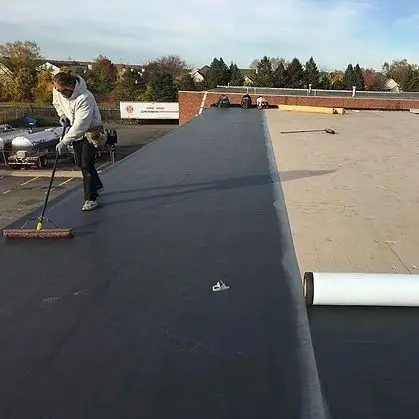
Choosing the Right Commercial Roofing System in New Jersey
Commercial roofing New Jersey property owners have several strong roofing options, but there is no single system that is best for every building.
Roof design, building use, drainage, insulation, rooftop equipment, budget, maintenance expectations, and exposure conditions all influence which solution makes the most sense.
At Chase Commercial Roofing, we install, repair, replace, and maintain commercial roofing systems throughout New Jersey.
Why New Jersey Commercial Roofs Need Careful Planning
Commercial roofs in New Jersey are exposed to changing seasonal conditions, including:
- Heavy rain
- Snow and ice
- High winds
- Summer heat
- Freeze-thaw cycles
- UV exposure
Coastal properties may also face additional exposure to wind and salt air.
These conditions make roof-system design, drainage, flashing, attachment, insulation, and ongoing maintenance important parts of a successful commercial roofing project.
Popular Commercial Roofing Systems in New Jersey
TPO Roofing
TPO, or Thermoplastic Polyolefin, is a single-ply commercial roofing membrane commonly installed on flat and low-slope buildings.
Potential advantages include:
- Heat-welded seams
- Reflective membrane options
- Compatibility with many commercial buildings
- Multiple attachment methods
Learn more about Chase’s TPO roofing services in New Jersey.
EPDM Roofing
EPDM is a synthetic rubber roofing membrane that has been widely used on commercial properties for decades.
Potential advantages include:
- Flexibility
- Established commercial roofing history
- Multiple installation methods
- Suitability for many flat-roof applications
Chase also provides EPDM roofing services.
PVC Roofing
PVC is another thermoplastic single-ply membrane.
It may be considered for properties where specific chemical-resistance characteristics, reflective surfaces, or other system attributes are important.
Modified Bitumen
Modified bitumen combines asphalt with polymer modifiers to create a flexible multi-layer commercial roof system.
Different installation methods are available depending on manufacturer and project specifications.
Built-Up Roofing
Built-up roofing uses multiple layers of bitumen and reinforcing materials.
It has a long history in commercial roofing and may still be appropriate for certain facilities.
Metal Roofing
Commercial metal roofing may be appropriate for buildings where roof slope, structural design, appearance, and long-term maintenance considerations support its use.
Learn more about Chase’s commercial metal roofing services.
How to Compare Commercial Roofing Systems
| Roofing System | Type | Common Strengths |
|---|---|---|
| TPO | Thermoplastic single-ply | Heat-welded seams and reflective options |
| EPDM | Synthetic rubber single-ply | Flexibility and established commercial use |
| PVC | Thermoplastic single-ply | Heat-welded seams and specialized chemical resistance |
| Modified Bitumen | Asphalt-based multi-layer system | Flexible and durable roofing assembly |
| BUR | Multi-ply asphalt system | Multiple waterproofing layers |
| Metal | Panel system | Durability and architectural versatility |
Commercial Flat Roof Systems
Flat and low-slope roofing systems are common on warehouses, offices, retail properties, schools, industrial facilities, and other commercial buildings.
These systems can accommodate:
- HVAC equipment
- Solar panels
- Vents
- Mechanical systems
- Commercial drainage systems
Review Chase’s commercial flat roof systems for additional information.
Reflective Roofing and Energy Performance
Some commercial roofing products, including light-colored TPO and PVC membranes and certain roof coatings, are designed with high solar reflectance.
Reflective roofing can reduce roof surface temperatures and may reduce cooling demand in certain buildings.
Actual performance depends on:
- Climate
- Insulation
- HVAC system
- Building use
- Roof exposure
Property owners can review the U.S. Department of Energy’s cool roof guidance.
Commercial Roof Installation in New Jersey
A successful commercial roof installation involves much more than laying membrane or panels over the building.
The project may include:
- Deck evaluation
- Insulation
- Cover board
- Drainage design
- Membrane or panels
- Flashing
- Roof edges
- Penetrations
Chase provides commercial roof installation throughout New Jersey.
Commercial Roof Repair in NJ
A leaking roof does not automatically need replacement.
Localized repairs may address:
- Membrane punctures
- Open seams
- Flashing problems
- Penetration leaks
- Drainage issues
- Storm damage
Chase provides commercial roof repair throughout New Jersey.
When Does a Commercial Roof Need Replacement?
Replacement may deserve consideration when:
- Deterioration is widespread
- Leaks repeatedly occur throughout the building
- Large areas of insulation are wet
- Deck damage is present
- Repair spending has become repetitive
When necessary, Chase provides commercial roof replacement in New Jersey.
Commercial Roof Coatings
Some serviceable existing roofs may qualify for restoration using a commercial roof coating system.
Potential candidates can include compatible:
- TPO roofs
- EPDM roofs
- Metal roofs
- Modified bitumen roofs
- Built-up roofs
Coatings should not simply be applied over unresolved leaks, wet insulation, structural damage, or widespread roof failure.
Learn more about Chase’s commercial roof coating services.
Preventive Commercial Roof Maintenance
Routine maintenance can help property owners identify developing problems before they become more difficult to manage.
Maintenance may include:
- Drain cleaning
- Debris removal
- Seam inspections
- Flashing inspections
- Penetration checks
- Monitoring ponding areas
- Reviewing previous repairs
Inspection frequency should depend on roof condition, roofing material, building use, storm exposure, rooftop traffic, and applicable warranty requirements.
Commercial Roof Drainage
Flat roofs still require slope to move water toward drainage points.
Commercial roof drainage may include:
- Internal drains
- Scuppers
- Gutters
- Downspouts
- Overflow drainage
Recurring ponding may indicate clogged drains, low areas, compressed insulation, deck movement, or another drainage issue.
Emergency Commercial Roof Repair
Some roofing problems require urgent attention, particularly when water is actively threatening electrical systems, equipment, inventory, or occupied areas.
Emergency stabilization may include temporary weatherproofing until permanent repairs can safely be completed.
Chase provides emergency commercial roof repair for urgent roofing situations.
Storm Damage and Commercial Roof Inspections
Significant storms can cause roofing damage that may not be visible from the ground.
A post-storm inspection may evaluate:
- Roof edges
- Membrane condition
- Flashing
- Drainage
- Rooftop equipment
- Debris impact
Infrared and Drone Roof Inspections
Technology can support commercial roof inspections.
Drone imagery may help document:
- Large roof areas
- Roof edges
- Hard-to-view sections
Infrared surveys may sometimes help identify areas that deserve further moisture investigation.
Neither technology automatically replaces hands-on professional inspection where physical examination is necessary.
Commercial Roofing Codes in New Jersey
Commercial roofing projects may be subject to New Jersey construction requirements as well as local permitting and inspection rules.
Applicable requirements can involve:
- Structural considerations
- Energy-code provisions
- Wind design
- Roof assemblies
- Fire requirements
Property owners can review the current New Jersey construction codes through the Department of Community Affairs.
How to Choose a Commercial Roofing Contractor in New Jersey
Choosing a contractor should involve more than comparing prices.
Look for:
- Commercial roofing experience
- Experience with your specific roof system
- Appropriate insurance
- Applicable credentials
- Manufacturer training where relevant
- References
- Customer reviews
- Detailed written proposals
- Safety procedures
Commercial Roofing Safety
Roofing work involves fall hazards, roof edges, skylights, ladders, openings, rooftop equipment, and changing weather conditions.
OSHA provides fall-protection requirements applicable to many commercial roofing activities.
Review OSHA’s construction fall-protection requirements.
Understanding Commercial Roofing Warranties
Warranty options vary significantly by manufacturer and roofing system.
A commercial project may include:
- Material warranties
- Manufacturer system warranties
- Contractor workmanship warranties
Coverage depends on the actual product, roof assembly, contractor qualifications, project specifications, and warranty option selected.
Property owners should review the written warranty documentation rather than assuming every project receives the same coverage.
What Affects Commercial Roofing Cost in New Jersey?
Commercial roofing cost depends on many factors.
Important considerations include:
- Roof size
- Roofing material
- Existing roof condition
- Tear-off requirements
- Insulation
- Deck repairs
- Drainage
- Building height
- Access
- Rooftop equipment
- Flashing complexity
A detailed site assessment provides more meaningful pricing than applying one universal square-foot number.
How to Compare Commercial Roofing Proposals
Make sure each proposal addresses a comparable scope.
Review:
- Roofing system
- Material specifications
- Insulation
- Attachment method
- Tear-off
- Flashing
- Drainage
- Roof edges
- Warranty options
- Project exclusions
The lowest total does not necessarily mean the same work is being proposed.
Warning Signs Your Commercial Roof Needs Attention
Contact a roofing professional if you notice:
- Interior water stains
- Active leaks
- Recurring ponding
- Open seams
- Membrane punctures
- Loose flashing
- Blocked drains
- Visible storm damage
These signs do not automatically mean replacement is necessary, but they do justify further evaluation.
Roofing Done Right Means Choosing the Right Solution for the Building
There is no single answer to every commercial roofing New Jersey project.
TPO, EPDM, PVC, modified bitumen, built-up roofing, metal, coatings, repair, and replacement all have situations where they can make sense.
The right decision comes from understanding the existing roof, building use, drainage, insulation, exposure conditions, budget, and long-term plans for the property.
Chase Commercial Roofing provides commercial roofing services throughout New Jersey, including installation, repair, replacement, coatings, flat roofing, TPO, EPDM, metal roofing, maintenance, and emergency roofing.
If you’re evaluating roofing options for your commercial property, contact Chase Commercial Roofing to schedule an assessment and discuss the right solution for your building.