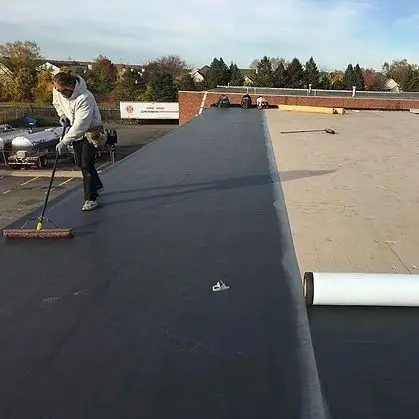
What Hackensack Property Owners Should Know About Flat Roof Repair
Commercial flat roof repair in Hackensack, NJ requires more than finding the visible leak and applying a patch. Flat and low-slope roofing systems rely on membranes, seams, flashing, drainage, insulation, and rooftop penetrations working together to keep water out.
When one part of the system begins to fail, moisture can move beneath the roofing material and affect areas much larger than the original defect.
At Chase Commercial Roofing, we repair commercial flat roofing systems throughout New Jersey and provide dedicated commercial roofing services in Hackensack for local businesses and property owners.
Why Hackensack Weather Can Be Hard on Flat Roofs
Commercial roofs in Hackensack experience significant seasonal weather changes throughout the year. Summer heat, winter freezing temperatures, heavy rain, snow, wind, and repeated temperature fluctuations can all place stress on roofing materials.
Freeze-Thaw Cycles
When water reaches small openings in roofing materials and temperatures fall below freezing, that moisture can freeze and expand. Repeated freezing and thawing can contribute to deterioration around cracks, seams, flashing, and other vulnerable areas.
This does not mean every small roof defect will immediately become serious, but existing weaknesses can worsen when they remain exposed to repeated seasonal cycles.
Summer Heat and UV Exposure
Commercial roofs receive substantial ultraviolet exposure during warmer months. Over time, heat and sunlight can contribute to aging and deterioration of certain roofing materials.
Depending on the roofing system, signs may include surface wear, brittleness, cracking, fading, or deterioration of sealants and flashing components.
Heavy Rain and Ponding Water
Flat roofs are actually built with a slight slope so water can move toward drains, scuppers, or gutters.
When drainage is blocked or low areas develop, water may remain on the roof after storms. Persistent ponding should be evaluated because the underlying cause may involve clogged drains, compressed insulation, inadequate slope, deck movement, or other roofing conditions.
Common Flat Roof Problems in Hackensack
Commercial flat roofing systems can develop several recurring types of damage. Catching these conditions early can make commercial roof repair more manageable and may help prevent moisture from spreading into the building.
Roof Leaks and Moisture Intrusion
Interior water stains, wet ceiling tiles, peeling paint, dripping water, or musty odors can indicate moisture entering through the roofing system.
The visible interior damage may not be directly beneath the roof defect. Water can travel along decking, insulation, structural members, or membrane layers before appearing inside.
Punctures and Tears
Commercial roof membranes can be damaged by foot traffic, dropped tools, HVAC service, falling debris, or construction activity.
Even a relatively small puncture can allow moisture beneath the membrane if it is not repaired.
Open or Deteriorated Seams
TPO, EPDM, PVC, and other membrane systems contain seams that connect sections of roofing material.
When seams loosen, separate, or deteriorate, they can create direct paths for moisture intrusion.
Blisters and Bubbles
Raised areas in the membrane may indicate trapped moisture or air beneath the roofing surface. These conditions should be professionally evaluated before repair because the appropriate solution depends on the roof system and cause of the blister.
Flashing Failure
Flashing protects the transitions around:
- HVAC units
- Vents and pipes
- Skylights
- Parapet walls
- Roof edges
- Drains
- Other penetrations
Because these areas interrupt the continuous roof surface, damaged or improperly installed flashing is a common source of commercial roof leaks.
Repairing Different Types of Flat Roofing Systems
The correct flat roof repair depends heavily on the roofing material. Commercial membranes should be repaired with products and techniques compatible with the existing system.
TPO Roof Repair
TPO is a thermoplastic membrane commonly used on commercial flat roofs. Repairs may involve compatible TPO material and heat-welded seams depending on the type of damage.
Chase provides TPO roofing services in New Jersey for installation, repair, and replacement projects.
EPDM Roof Repair
EPDM is a synthetic rubber roofing membrane. Repairs typically use products specifically designed for EPDM systems, such as compatible primers, adhesives, tapes, and patches.
Learn more about Chase’s commercial EPDM roofing services.
Modified Bitumen and Other Flat Roof Systems
Modified bitumen and other multi-layer roofing systems require different repair methods than single-ply membranes.
Chase works with multiple commercial flat roof systems, allowing repairs to be matched to the roofing material already installed on the building.
The Professional Flat Roof Repair Process
A lasting roof repair should address the source of the problem rather than simply covering the area where water is visible.
1. Roof Inspection
The first step is evaluating the condition of the roofing system.
An inspection may include:
- Membrane condition
- Seams
- Flashing
- Penetrations
- Roof edges
- Drains and scuppers
- Ponding areas
- Previous repairs
- Visible signs of moisture
2. Determine the Cause and Extent of Damage
A roofing contractor should determine whether the problem is isolated or part of a larger roofing-system issue.
A single membrane puncture may require a relatively straightforward repair, while widespread moisture, seam failure, or deteriorated insulation may require more extensive work.
3. Prepare the Repair Area
Roofing materials generally need a properly prepared surface for repair products to perform as intended. Preparation requirements vary depending on the roofing membrane and manufacturer specifications.
4. Complete the Appropriate Repair
The contractor then uses materials and techniques compatible with the existing system.
Repairs may include:
- Membrane patching
- Seam repair
- Flashing replacement
- Penetration repairs
- Drainage corrections
- Replacement of localized wet materials
5. Final Inspection
The completed repair should be inspected to verify that the damaged area has been properly addressed and that surrounding roofing components remain serviceable.
When Does a Flat Roof Need Emergency Repair?
Some roof problems should be addressed promptly to reduce the risk of additional building damage.
Examples include:
- Active interior water intrusion
- Large membrane tears
- Storm-damaged roofing materials
- Loose roof components
- Severe drainage backups
- Potentially unsafe sagging or structural conditions
Chase provides emergency commercial roof repair when roofing problems require prompt professional attention.
Flat Roof Repair vs. Roof Replacement
Not every damaged flat roof needs to be replaced. Localized problems can often be repaired when the overall roofing system remains in serviceable condition.
| Repair May Make Sense When | Replacement May Make Sense When |
|---|---|
| Damage is isolated | Damage is widespread |
| Only one or a few areas are leaking | Leaks recur throughout the roof |
| Most insulation remains dry | Large areas of insulation are saturated |
| The membrane remains generally serviceable | Membrane deterioration is extensive |
| Repair costs remain reasonable | Repeated repair costs continue to increase |
If the roofing system has reached the point where continued repairs no longer make financial sense, Chase also provides commercial roof replacement in New Jersey.
Can Roof Coatings Help an Aging Flat Roof?
Some commercial flat roofs may qualify for restoration using a protective roof coating rather than immediate replacement.
After necessary repairs and preparation are completed, certain commercial roof coating systems can provide an additional protective surface over compatible roofing materials.
However, coatings are not appropriate for every roof. Extensive wet insulation, structural deterioration, or widespread membrane failure may need to be addressed before restoration is considered.
How Much Does Flat Roof Repair in Hackensack Cost?
There is no reliable universal price for commercial flat roof repair because the scope of work varies dramatically from one building to another.
Important cost factors include:
- Type of damage: A small puncture is very different from widespread moisture intrusion.
- Roofing material: TPO, EPDM, modified bitumen, and other systems require different materials and repair methods.
- Accessibility: Building height and roof access can affect labor and equipment requirements.
- Wet insulation: Damaged insulation may need to be removed and replaced.
- Roof decking: Deteriorated substrate can significantly increase the repair scope.
- Drainage issues: Ponding water may require more than a membrane patch.
- Size of the affected area: Larger repair areas require more labor and material.
A professional inspection followed by a written scope of work is the best way to establish an accurate repair budget.
New Jersey Construction Requirements
Commercial roofing work may be subject to New Jersey’s Uniform Construction Code and local permitting or inspection requirements depending on the scope of work.
New Jersey currently uses the 2024 International Building Code as its Building Subcode, adopted August 17, 2026.
Property owners can review the current New Jersey construction codes through the Department of Community Affairs.
Choosing a Flat Roof Contractor in Hackensack
Commercial flat roofs require specialized knowledge, so the contractor should have experience with the specific roofing system installed on your property.
When evaluating contractors, consider:
- Commercial flat roofing experience
- Insurance and applicable credentials
- Experience with TPO, EPDM, or your specific roof system
- Manufacturer training or certifications where relevant
- Local references and reviews
- Detailed written estimates
- Clear warranty information
- Safety procedures
- Emergency service capabilities
Property owners should also ask contractors to explain the cause of the roof problem and why the recommended repair is appropriate.
Questions to Ask Before Hiring a Commercial Roofer
- What experience do you have with my type of flat roofing system?
- What caused the damage?
- Is the problem localized or widespread?
- Is the surrounding insulation dry?
- What materials will be used for the repair?
- Is the repair compatible with the existing roof system?
- What warranty applies to the work?
- Does this repair require a permit or inspection?
- Would repair, restoration, or replacement provide the best long-term value?
How to Reduce Future Flat Roof Problems
Routine maintenance can help property owners catch developing problems before they become emergency leaks.
Important maintenance steps include:
- Inspect the roof periodically
- Keep drains and scuppers clear
- Remove accumulated debris
- Check flashing and penetrations
- Inspect seams
- Monitor known ponding areas
- Inspect after major storms
- Document previous repairs
- Limit unnecessary rooftop traffic
Protect Your Hackensack Property With Timely Flat Roof Repair
Flat roofing problems are often easier to manage when they are addressed before water spreads through the roofing assembly.
If you notice recurring leaks, standing water, membrane damage, failed seams, or deteriorated flashing, a professional inspection can help determine whether the problem can be repaired or whether a larger roofing solution is needed.
Chase Commercial Roofing provides commercial roofing services throughout New Jersey, including flat roof repair, replacement, TPO roofing, EPDM roofing, coatings, and emergency services.
If your commercial property needs flat roof repair in Hackensack, NJ, contact Chase Commercial Roofing to schedule an assessment and determine the appropriate next step.