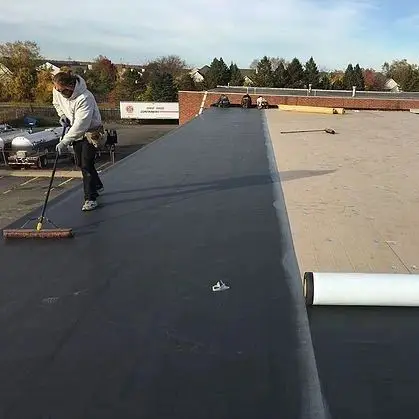
Why Flat Roof Skylights Develop Leaks
A skylight can bring valuable natural light into a commercial building, but it also creates another penetration through the roofing system. When flashing, seals, roofing membrane, drainage, or the skylight assembly begins to fail, that opening can become a source of water intrusion.
Professional flat roof skylight repair starts by identifying exactly where the water is entering. The visible drip or ceiling stain inside the building is not always directly below the actual problem, since moisture can travel beneath roofing materials before becoming visible indoors.
At Chase Commercial Roofing, we work with commercial flat and low-slope roofing systems throughout New Jersey, including roof penetrations, skylights, flashing, membranes, drainage issues, and related commercial roof repairs.
Common Causes of Flat Roof Skylight Leaks
Several different problems can cause water to appear around a commercial skylight.
Damaged or Deteriorated Flashing
Flashing creates the transition between the skylight curb and the surrounding roofing system. Because this area interrupts the continuous roof membrane, it is one of the most important details for keeping water out.
Flashing can become damaged from age, temperature movement, improper installation, previous repairs, storm damage, or deterioration of the surrounding roofing materials.
Failed Gaskets and Seals
Some skylight assemblies contain gaskets and seals around glass, domes, frames, and other components. Over time, exposure to sunlight, temperature changes, and weather can cause these materials to lose flexibility or deteriorate.
Water entering through the skylight unit itself requires a different repair approach than water entering through the surrounding roof flashing.
Improper Installation
A skylight must be properly integrated into the roofing system. Incorrect curb height, incompatible flashing, poor membrane detailing, inadequate drainage, or improperly installed seals can create recurring leak problems.
Ponding Water
Commercial flat roofs depend on drains, scuppers, gutters, and properly designed slope to move water away from the roof.
If water regularly collects around a skylight curb, it can continually expose flashing and seams to moisture. Correcting the leak may therefore require addressing the drainage problem as well as the skylight itself.
Cracked Glass or Skylight Domes
Impact damage, age, severe weather, or material deterioration can crack a skylight dome or glazing assembly and allow water directly into the building.
Roof Membrane Damage Near the Skylight
The skylight itself may not actually be the problem. A puncture, failed seam, damaged membrane, or deteriorated patch nearby can allow water beneath the roofing system, where it may eventually appear around the skylight opening.
Is It a Skylight Leak or Condensation?
Water around a skylight does not automatically mean the roof is leaking.
Condensation can develop when warm, moisture-filled interior air contacts a colder skylight surface. It may appear as fogging, droplets, or moisture on the interior surface of the glazing.
A roofing or skylight leak is more likely when you notice:
- Water stains around the skylight curb
- Dripping during or shortly after rainfall
- Wet ceiling materials
- Damaged drywall or ceiling tiles
- Moisture around flashing or the roof membrane
- Recurring leaks in the same location during storms
Accurately distinguishing condensation from water intrusion is important because the two conditions require completely different solutions.
Why Flat Roof Skylight Flashing Is So Important
Flat and low-slope roofs manage water differently from steep-slope roofs. Instead of relying primarily on gravity to quickly shed water, they depend on carefully designed membranes, seams, drainage systems, curbs, and flashing details.
A skylight installed on a flat roof is typically raised on a curb, with the surrounding roofing membrane integrated into that curb according to the roofing-system and skylight manufacturer’s requirements.
Different commercial flat roof systems require different flashing methods. TPO, EPDM, PVC, modified bitumen, and other systems use different materials and installation techniques.
This is one reason simply applying general-purpose caulk around a leaking skylight often does not provide a long-term solution.
Skylight Leaks on TPO Roofs
TPO roofing uses a thermoplastic membrane with heat-welded seams. When a skylight is installed within a TPO system, compatible membrane material is typically used to integrate the curb and surrounding roofing area.
Problems can develop from:
- Open membrane seams
- Punctures near the skylight
- Failed flashing details
- Damage from rooftop traffic
- Movement around the curb
- Previous incompatible repairs
If your building has a TPO roofing system, repairs should use techniques and products appropriate for commercial TPO roofing.
Skylight Leaks on EPDM Roofs
EPDM roofing uses a synthetic rubber membrane, and repairs around skylights may involve compatible primers, adhesives, tapes, uncured flashing materials, or membrane patches depending on the system and type of damage.
Using materials that are incompatible with EPDM can create additional problems rather than correcting the leak.
Learn more about Chase’s EPDM roofing services in New Jersey.
Signs You Should Call a Commercial Roofer
Flat roof skylight repairs should generally be evaluated by someone familiar with both skylight assemblies and commercial roofing systems.
Professional evaluation is especially important when there is:
- Recurring water intrusion
- Damaged or separated flashing
- A cracked skylight dome or glazing assembly
- Wet insulation surrounding the skylight
- Roof deck deterioration
- Large areas of membrane damage
- Ponding water around the skylight
- Multiple possible leak locations
- An existing roofing warranty
A roofer can evaluate whether the problem originates from the skylight itself, the curb, flashing, surrounding membrane, drainage, or another roof defect.
Skylight Repair Safety on Commercial Flat Roofs
Commercial skylight repair should not be approached like a simple caulking project. Roof access itself presents fall hazards, and skylights create an additional hazard because a worker can potentially fall through the opening.
OSHA requires employees to be protected from falling through holes, including skylights, when applicable fall-height thresholds are met. Protection may involve covers, guardrail systems, travel restraint systems, or personal fall arrest systems depending on the work situation.
Property managers can review OSHA’s fall-protection requirements for skylights and roof openings.
For this reason, untrained building employees should not be sent onto the roof to investigate or repair a skylight leak.
What Does a Professional Skylight Inspection Include?
Diagnosing a skylight leak should include more than looking at the glass or applying new sealant.
A professional roof inspection may evaluate:
- Skylight glazing or dome condition
- Frame and curb condition
- Roof membrane surrounding the skylight
- Flashing details
- Sealants and gaskets
- Nearby membrane seams
- Drainage patterns
- Ponding water
- Insulation moisture
- Roof decking where accessible
- Previous repair work
The objective is to find the root cause of the leak instead of repeatedly treating the visible symptom.
Repair or Replace a Leaking Skylight?
Not every leaking skylight needs to be replaced. The right decision depends on the skylight condition, surrounding roof, type of damage, frequency of previous repairs, and the expected remaining service life of the roof.
| Repair May Make Sense When | Replacement May Make Sense When |
|---|---|
| Damage is isolated to flashing | The skylight assembly is extensively damaged |
| The surrounding roof remains serviceable | The frame, glazing, or dome has failed |
| A compatible roofing repair can restore the detail | Leaks recur despite appropriate repairs |
| The skylight itself remains in good condition | The roof is also being fully replaced |
Replacing a Skylight During a Commercial Roof Replacement
If a commercial roof is already being replaced, it can be a good time to evaluate older skylights.
The new roofing system must be integrated around the skylight curb regardless, so replacing an aging skylight during the same project may make sense when the existing unit is deteriorated or nearing the end of its useful service life.
Chase provides commercial roof replacement throughout New Jersey and can evaluate skylight details as part of the overall replacement scope.
Can New Skylights Improve Energy Performance?
Skylight performance varies based on glazing, frame construction, installation, orientation, building use, climate, and other factors.
When replacement is appropriate, property owners can compare products using ratings such as U-factor and solar heat gain coefficient.
ENERGY STAR-certified skylights are independently tested and rated through the National Fenestration Rating Council and must meet energy-performance criteria based on climate zone.
You can review ENERGY STAR skylight performance criteria when evaluating replacement products.
How to Help Prevent Future Skylight Leaks
Routine roof maintenance can help identify skylight problems before water reaches the interior of the building.
Maintenance may include:
- Keeping debris away from skylight curbs
- Keeping roof drains and scuppers clear
- Checking for ponding water
- Inspecting membrane seams around skylights
- Checking flashing for deterioration
- Inspecting skylight glazing for cracks
- Checking seals and gaskets where applicable
- Inspecting after significant storms
Regular maintenance is particularly useful on roofs containing multiple penetrations, HVAC equipment, skylights, vents, and other details where transitions occur.
What Does Flat Roof Skylight Repair Cost?
There is no universal price for commercial skylight repair. Cost depends on the cause of the leak and the amount of work required.
Factors can include:
- Roofing system type
- Skylight type and size
- Flashing condition
- Membrane damage
- Roof accessibility
- Water-damaged insulation
- Deck repairs
- Whether the skylight itself needs replacement
A professional inspection is the best way to determine whether the project requires a minor flashing repair, more extensive membrane work, or complete skylight replacement.
Frequently Asked Questions About Flat Roof Skylight Repair
Why does my skylight only leak during heavy rain?
Heavy rain may expose weaknesses that do not leak during lighter weather. Possible causes include damaged flashing, membrane defects, drainage problems, ponding water, or wind-driven rain entering through a failed skylight component.
Can sealant permanently fix a leaking skylight?
Sometimes deteriorated sealant is part of the problem, but simply applying more sealant is not a reliable solution for every skylight leak.
If flashing, membrane, glazing, drainage, or the curb has failed, those conditions need to be properly corrected.
Can ponding water cause skylight leaks?
Standing water can increase exposure around skylight curbs and flashing. If water consistently ponds near the skylight, the underlying drainage problem should be investigated along with the leak.
Can a new skylight be installed on an older flat roof?
Potentially, but the surrounding roofing system and deck should first be evaluated. Installing a new skylight into a severely deteriorated membrane may create difficult flashing conditions and could lead to additional problems.
Should I replace a skylight when I replace the roof?
Not automatically. However, if the skylight is aging, damaged, inefficient, or has experienced repeated leaks, replacing it while the roofing system is already being replaced may be worth considering.
Let the Sunshine In, Not the Rain
A commercial skylight should provide natural light without becoming a recurring source of water intrusion. The key to successful flat roof skylight repair is determining whether the problem originates from the skylight, flashing, surrounding roof membrane, drainage system, or another roofing defect.
Chase Commercial Roofing provides commercial roofing services throughout New Jersey, including flat roof repair, TPO and EPDM roofing, replacement, coatings, and emergency roofing services.
If water is appearing around a skylight or you are unsure whether the problem is condensation or a roof leak, contact Chase Commercial Roofing to schedule a professional assessment.