Why Industrial Roof Leaks Need Attention Quickly
An industrial roof leak repair is about more than stopping a drip. Industrial roofs protect machinery, inventory, electrical systems, production areas, employees, and day-to-day business operations. When water enters the building, damage can spread beyond the roofing system surprisingly quickly.
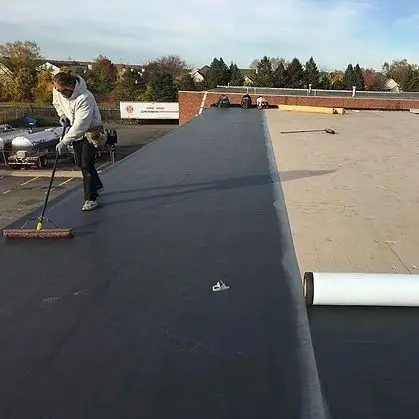
At Chase Commercial Roofing, we inspect and repair industrial and commercial roofing systems throughout New Jersey, including TPO, EPDM, metal, modified bitumen, coatings, and other flat and low-slope systems.
The first step toward an effective repair is identifying where the water is actually entering and determining how much of the roofing assembly has been affected.
What Causes Industrial Roof Leaks?
Industrial roofs contain large membrane areas, drainage systems, equipment curbs, penetrations, seams, flashing, and other components that can develop problems over time.
Membrane Punctures and Tears
Commercial roofing membranes can be punctured by dropped tools, maintenance activity, construction work, wind-blown debris, or repeated rooftop traffic.
Even a relatively small opening can allow water beneath the membrane.
Open or Deteriorated Seams
TPO, EPDM, PVC, and other membrane roofing systems contain seams that connect sections of material.
If those seams become damaged, separated, or improperly repaired, they may create a direct pathway for water intrusion.
Failed Flashing
Flashing protects areas where the roof changes direction or meets another building component.
Common flashing locations include:
- HVAC curbs
- Parapet walls
- Roof edges
- Pipes
- Vents
- Skylights
- Drains
These details are common leak locations because they interrupt the continuous roof surface.
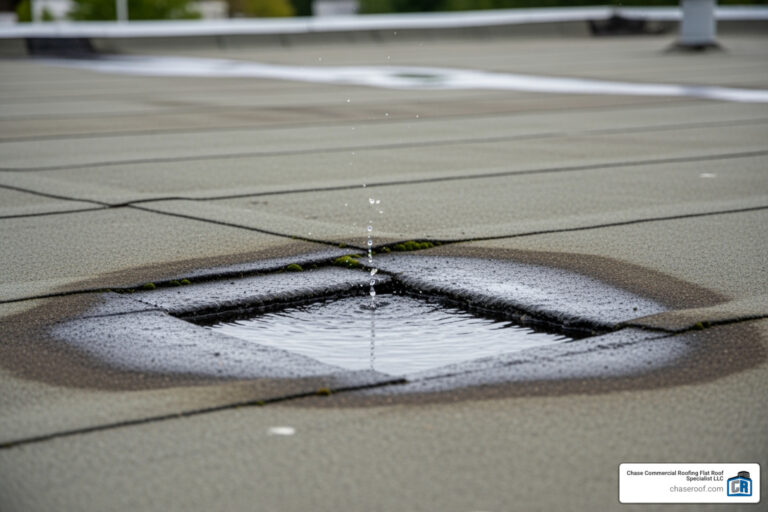
Clogged Drains and Ponding Water
Industrial flat roofs rely heavily on properly functioning drains, scuppers, gutters, and slope.
When debris blocks drainage, standing water can develop and increase exposure around seams, flashing, penetrations, and existing weak areas.
Storm and Impact Damage
High winds, fallen branches, debris, hail, and other weather events can damage roof membranes, flashing, metal panels, and rooftop equipment.
Roof Traffic
Industrial facilities often require regular rooftop access for HVAC service, mechanical work, inspections, and other maintenance.
Repeated traffic outside designated walkways can contribute to membrane wear, punctures, and compressed insulation.
Signs Your Industrial Roof May Be Leaking
Water Stains
Discolored ceiling tiles, walls, structural members, or interior finishes can indicate water intrusion.
The stain may not be directly below the actual roof defect because water can travel along decking, insulation, or structural components.
Active Dripping or Interior Puddles
Water entering during or after rainfall is an obvious warning sign that the building envelope has been compromised.
Musty Odors
Persistent musty smells may indicate hidden moisture somewhere within the building assembly.
The cause could involve roofing, plumbing, HVAC condensation, or another moisture source, so the area should be properly investigated.
Peeling or Bubbling Paint
Interior finishes can bubble, blister, or peel when moisture accumulates behind them.
Wet or Damaged Insulation
Roof leaks can saturate insulation beneath the roofing membrane. Wet insulation may lose thermal performance and allow moisture to spread beyond the original leak location.
What to Look for on the Roof
Roof-level warning signs may include:
- Membrane punctures
- Open seams
- Blisters or raised membrane areas
- Deteriorated flashing
- Loose metal components
- Damaged sealants
- Blocked drains
- Ponding water
- Storm debris
- Damage around rooftop equipment
Because industrial roofs involve fall hazards and other safety concerns, roof inspections should be performed by trained personnel using appropriate safety procedures.
What to Do Immediately When You Discover a Leak
Protect People First
Keep employees and visitors away from areas involving:
- Wet electrical equipment
- Slippery floors
- Sagging ceiling materials
- Possible structural damage
Protect Equipment and Inventory
When it can be done safely, relocate machinery, products, documents, electronics, and other valuable items away from the affected area.
Contain Interior Water
Use containers or other safe interior measures to limit water spread until the source can be evaluated.
Document the Damage
Photograph visible leaks, water stains, damaged materials, equipment, and inventory for your records.
Call a Commercial Roofing Professional
Do not send untrained employees onto a wet or damaged industrial roof.
Chase provides emergency commercial roof repair when roofing damage requires prompt professional attention.
Why Roof Leak Detection Can Be Difficult
The place where water appears inside an industrial facility may be far from where it entered the roof.
Water can move through:
- Insulation
- Roof decking
- Structural members
- Mechanical openings
- Ceiling systems
A professional investigation should therefore evaluate the surrounding roof system instead of simply patching the area directly above the interior drip.
The Professional Industrial Roof Leak Repair Process
1. Inspect the Roofing System
The contractor evaluates the membrane, seams, flashing, drains, equipment curbs, penetrations, previous repairs, and surrounding roof area.
2. Determine the Source of Water Intrusion
The objective is to distinguish the actual defect from secondary symptoms.
3. Evaluate Moisture Damage
If water has moved beneath the roofing surface, affected insulation or decking may also need attention.
4. Select a Compatible Repair
Repair products and techniques should match the existing roofing system.
5. Inspect the Completed Repair
The finished work should be reviewed along with surrounding seams, flashing, and drainage conditions.
Temporary vs. Permanent Roof Leak Repairs
Temporary repairs can sometimes help limit water intrusion during storms or when permanent work cannot immediately be performed.
However, temporary weatherproofing should not be confused with correcting the underlying roofing defect.
| Temporary Work | Permanent Repair |
|---|---|
| Helps limit immediate water entry | Addresses the actual roofing defect |
| May be used during emergency conditions | Uses system-compatible materials and detailing |
| Intended as short-term protection | Designed as the lasting roofing solution |
TPO Industrial Roof Leak Repairs
TPO is a thermoplastic single-ply roofing membrane commonly installed on industrial flat roofs.
Repairs may involve compatible membrane material and heat-welded seams depending on the type and location of damage.
Learn more about Chase’s TPO roofing services in New Jersey.
EPDM Industrial Roof Leak Repairs
EPDM is a synthetic rubber roofing membrane. Repair materials may include compatible primers, adhesives, tapes, flashing products, and EPDM membrane patches.
Chase provides EPDM roofing installation and repair for New Jersey commercial properties.
Metal Industrial Roof Leak Repairs
Leaks in industrial metal roofing can involve:
- Panel seams
- Flashing
- Fasteners
- Penetrations
- Sealants
- Corroded or damaged panels
The proper repair depends on the specific metal roofing system. Chase also provides commercial metal roofing services.
Modified Bitumen and Built-Up Roof Repairs
Multi-ply asphalt-based roofing systems require repair techniques different from those used on single-ply membranes.
Localized damaged materials may need to be removed and rebuilt using compatible layers and surfacing.
Why Flashing Is So Important
Flashing creates watertight transitions between the main roofing surface and other building components.
Industrial roofs often have numerous penetrations for mechanical equipment, piping, vents, curbs, and other systems, which makes proper flashing especially important.
A leak around a rooftop unit may involve flashing rather than the main field membrane, so the entire detail needs to be evaluated.
Can Roof Coatings Stop Industrial Roof Leaks?
Roof coatings can be useful for certain serviceable roofing systems, but they should not simply be applied over active leaks, wet insulation, or damaged roofing materials.
Before coating, existing defects should be repaired and the roof evaluated for compatibility.
For suitable roofs, Chase provides commercial roof coating systems as part of its restoration services.
Repair or Replace an Industrial Roof?
A leaking industrial roof does not automatically require replacement.
| Repair May Make Sense When | Replacement May Make Sense When |
|---|---|
| Damage is localized | Damage is widespread |
| Most membrane remains serviceable | Membrane deterioration is extensive |
| Most insulation remains dry | Large areas of insulation are saturated |
| Leaks occur in limited areas | Leaks repeatedly appear across the facility |
| Repair offers good long-term value | Repeated repairs are becoming uneconomical |
When replacement becomes the better option, Chase provides commercial roof replacement throughout New Jersey.
Industrial Roof Repair Safety
Industrial roofing involves significant fall hazards, particularly around roof edges, skylights, openings, and wet surfaces.
OSHA’s construction fall-protection rules contain specific requirements for roofing work on low-slope roofs and other elevated work areas.
Property and facility managers can review OSHA’s fall-protection requirements for more information.
Industrial roof repairs should be performed by appropriately trained personnel using the fall-protection methods required for the work being performed.
How Preventive Maintenance Helps Reduce Industrial Roof Leaks
Routine roof maintenance can help identify developing defects before they result in water entering the building.
A maintenance program may include:
- Clearing drains and scuppers
- Removing debris
- Inspecting seams
- Checking flashing
- Inspecting rooftop equipment
- Monitoring ponding areas
- Checking previous repairs
- Inspecting after significant storms
The National Roofing Contractors Association identifies roof-system maintenance as a key part of roof management and provides training covering visual inspections, leak detection, moisture surveys, and repair procedures for systems including EPDM and TPO.
Review the NRCA’s roof repair and maintenance guidance for additional information.
Control Rooftop Traffic
Industrial facilities often need frequent rooftop access for mechanical maintenance.
Controlling traffic can help reduce accidental membrane damage.
Depending on the roof, this may include:
- Designated walkways
- Protection around frequently serviced equipment
- Limiting unnecessary access
- Inspecting the roof after outside contractors complete work
Keep Records of Roof Inspections and Repairs
Maintenance records help facility managers understand how the roof is performing over time.
Keep documentation of:
- Inspection dates
- Photographs
- Repairs
- Leak locations
- Drainage problems
- Storm damage
- Roofing warranties
Consistent documentation can make it easier to recognize recurring problems and plan future roofing expenses.
Choosing an Industrial Roofing Contractor
Industrial facilities need contractors with experience beyond ordinary residential roofing.
Look for:
- Commercial and industrial roofing experience
- Experience with your specific roofing system
- Appropriate insurance and applicable credentials
- Manufacturer training or certifications where relevant
- Industrial project references
- Detailed written estimates
- Clear warranty information
- Documented safety procedures
Stop the Drip Before It Disrupts Your Operation
A successful industrial roof leak repair should do more than stop water from dripping inside. The repair should identify the actual source of the problem, evaluate surrounding roofing components, and use materials appropriate for the existing roof system.
Addressing leaks early can also reduce the chance that moisture spreads into insulation, decking, equipment areas, inventory, and interior finishes.
Chase Commercial Roofing provides commercial and industrial roofing services throughout New Jersey, including leak repair, emergency service, TPO, EPDM, metal roofing, roof coatings, and roof replacement.
If your warehouse, manufacturing facility, distribution center, or other industrial building has developed a roof leak, contact Chase Commercial Roofing to schedule an assessment and determine the appropriate repair strategy.