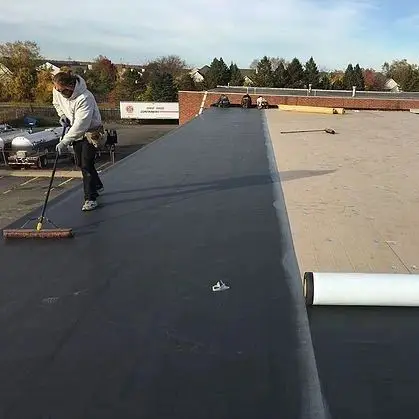
Why Schedule a Professional Roof Inspection in Jersey City?
A professional Jersey City roof inspection can help property owners identify roofing problems before they become obvious interior leaks or larger repair projects.
Commercial roofs are exposed year-round to rain, wind, snow, temperature changes, ultraviolet exposure, rooftop traffic, and debris. Over time, seams, flashing, drainage components, membranes, and penetrations can all develop problems that may not be visible from the ground.
At Chase Commercial Roofing, we inspect, repair, replace, and maintain commercial roofing systems throughout New Jersey, including properties in Jersey City and Hudson County.
When Should You Schedule a Roof Inspection?
There is no single inspection schedule that applies to every commercial property.
Inspection frequency depends on factors such as:
- Roof age
- Roofing material
- Building use
- Previous leak history
- Rooftop traffic
- Storm exposure
- Warranty requirements
- Overall roof condition
Many commercial property owners choose seasonal inspections and additional evaluations after severe storms, rooftop construction, or when new signs of moisture appear.
Signs You Should Schedule an Inspection Soon
Interior Water Stains
Discoloration on ceilings or walls may indicate water intrusion somewhere within the roofing or building-envelope system.
The visible stain is not always located directly beneath the actual roof defect because water can travel through insulation, decking, and structural components.
Recurring Roof Leaks
If leaks continue to develop after previous repairs, the building may need a broader roof-system evaluation rather than another isolated patch.
Ponding Water
Recurring standing water on a flat or low-slope roof can indicate clogged drains, compressed insulation, deck movement, inadequate slope, or another drainage problem.
Open Seams or Membrane Damage
Punctures, tears, seam separation, blisters, or deteriorated membrane areas should be evaluated before they allow more moisture into the roofing assembly.
Damaged Flashing
Loose, separated, corroded, or deteriorated flashing around walls, HVAC equipment, pipes, drains, and other penetrations can create potential leak paths.
What Happens During a Commercial Roof Inspection?
A thorough commercial inspection should evaluate more than the main roof surface.
Roof Membrane Assessment
The inspector may look for:
- Punctures
- Tears
- Cracks
- Blisters
- Open seams
- Previous repair deterioration
Flashing Inspection
Flashing is inspected around:
- Parapet walls
- Roof edges
- HVAC curbs
- Pipes
- Vents
- Skylights
- Drains
Drainage Evaluation
The inspection should review drains, scuppers, gutters, and other drainage components for visible obstructions, damage, or signs of recurring ponding.
Rooftop Equipment and Penetrations
HVAC units, vents, piping, and other roof penetrations create transitions in the roofing system that deserve close attention.
Roof Edges and Perimeters
Roof edges can be vulnerable to wind-related damage and flashing deterioration.
Should the Interior Be Checked Too?
Yes, when appropriate.
Interior conditions can provide useful clues about roof performance.
An inspection may include accessible areas beneath the roof to look for:
- Water staining
- Wet ceiling materials
- Discoloration
- Musty odors
- Visible moisture damage
Interior observations can help the contractor compare what is happening inside the building with conditions found on the roof.
Commercial Flat Roof Inspections in Jersey City
Many Jersey City commercial properties use flat or low-slope roofing systems.
These roofs may include:
- TPO
- EPDM
- PVC
- Modified bitumen
- Built-up roofing
- Metal roofing
Each roofing system has different seams, flashing details, attachment methods, and maintenance needs.
TPO Roof Inspections
TPO inspections may focus on:
- Heat-welded seams
- Membrane punctures
- Flashing
- Roof edges
- Drains
- Areas around rooftop equipment
Learn more about Chase’s TPO roofing services in New Jersey.
EPDM Roof Inspections
EPDM roofing inspections may evaluate:
- Membrane condition
- Seams and tapes
- Flashing
- Punctures
- Drainage
- Previous repairs
Chase also provides EPDM roofing services.
Why Drainage Is a Major Part of a Roof Inspection
Flat roofs are designed with slope that directs water toward drainage points.
During an inspection, the contractor should look at:
- Internal drains
- Scuppers
- Gutters
- Downspouts
- Overflow drainage
- Recurring ponding areas
Cleaning a clogged drain may solve some problems, but persistent standing water can indicate a larger issue with insulation, slope, deck conditions, or drainage design.
Common Problems Found During Jersey City Roof Inspections
Open or Deteriorated Seams
Membrane seams can become damaged or separated and may allow water beneath the roof surface.
Flashing Problems
Flashing around rooftop equipment, walls, drains, vents, and roof edges is a frequent area for leaks to develop.
Punctures and Impact Damage
Foot traffic, dropped tools, maintenance work, construction activity, or storm debris can damage roofing membranes.
Clogged Drainage
Leaves, trash, construction debris, and sediment can restrict drainage and contribute to ponding water.
Previous Repair Deterioration
Older patches and repaired flashing details should be checked to make sure they remain serviceable.
Damage Around HVAC Equipment
Commercial roofs frequently contain mechanical equipment, creating additional penetrations and flashing details that require inspection.
Why Post-Storm Roof Inspections Can Be Useful
High winds, heavy rain, hail, fallen debris, and winter weather can cause roof damage that is not immediately visible from the ground.
After significant weather events, an inspection may help identify:
- Loose flashing
- Membrane punctures
- Wind-related edge damage
- Debris accumulation
- Blocked drainage
- Damage around rooftop equipment
Can Drones Be Used During Roof Inspections?
Drones can be useful for documenting large roofs, roof edges, and difficult-to-view areas.
However, drone photographs do not replace a hands-on roof assessment when physical examination of seams, membrane, flashing, and other components is necessary.
They are best viewed as another inspection and documentation tool rather than a complete substitute for roof access.
What About Infrared or Moisture Surveys?
Specialized moisture-detection methods may sometimes be used when there is concern about moisture beneath the roof surface.
These tools can help identify areas that deserve further investigation, but results need to be interpreted in the context of the roofing assembly and site conditions.
What Should a Roof Inspection Report Include?
A useful roof inspection should result in clear documentation.
The report may include:
- Photographs
- Roof-system identification
- Observed defects
- Leak locations
- Drainage observations
- Recommended repairs
- Maintenance recommendations
- Priority levels
This information can help property owners prioritize repairs and plan future roofing budgets.
Inspection vs. Roof Certification
A roof inspection and a roof certification are not necessarily the same thing.
An inspection evaluates current roof conditions and identifies visible defects or maintenance concerns.
A certification, when available and appropriate, may involve additional documentation or specific representations concerning the roof. Requirements and terminology can vary depending on the purpose, insurer, lender, transaction, contractor, or other party requesting it.
If you have been specifically asked to provide a roof certification, determine exactly what documentation the requesting party requires before scheduling the service.
Can a Roof Inspection Tell You Whether to Repair or Replace?
An inspection can provide important information for that decision.
Repair may make sense when:
- Damage is localized
- Most of the roof remains serviceable
- Leaks are limited
- Insulation and decking remain largely dry
Replacement may deserve consideration when:
- Deterioration is widespread
- Leaks repeatedly occur throughout the building
- Large areas of insulation are wet
- Deck damage is present
- Repair spending has become repetitive
Chase provides both commercial roof repair and commercial roof replacement in New Jersey.
How Roof Inspections Support Preventive Maintenance
Regular inspection gives building owners a clearer picture of roof conditions over time.
A maintenance program may include:
- Drain cleaning
- Debris removal
- Seam inspections
- Flashing inspections
- Checking penetrations
- Monitoring ponding areas
- Reviewing previous repair locations
The National Roofing Contractors Association provides guidance and training related to roof-system inspection, maintenance, leak detection, moisture surveys, and repairs.
Review the NRCA’s roof repair and maintenance guidance.
Roof Inspection Safety Matters
Commercial roofs may appear easy to access, but roof edges, skylights, openings, wet membranes, ladders, and other conditions can create serious fall hazards.
OSHA provides fall-protection requirements for applicable roofing and elevated work.
You can review OSHA’s walking-working surface and fall-protection requirements.
Building owners should avoid sending untrained employees onto roofs simply to conduct informal inspections.
How to Choose a Jersey City Roof Inspector
Look for a contractor with experience inspecting commercial flat and low-slope roofing systems.
Important considerations include:
- Commercial roofing experience
- Experience with your specific roofing system
- Appropriate insurance
- Applicable credentials
- Local references
- Customer reviews
- Clear inspection reports
- Safety procedures
Commercial roof inspections are most useful when the inspector understands not only how to identify problems but also how different roof systems should be repaired.
Don’t Let Your Roof Goof—Schedule an Inspection Before Problems Grow
A professional Jersey City roof inspection can help you understand the actual condition of your commercial roofing system before a small defect becomes an interior leak or larger repair.
The goal is not simply to find problems. A good inspection should help you understand what needs attention now, what should be monitored, and what can be planned for later.
Chase Commercial Roofing provides commercial roofing services throughout New Jersey, including inspections, repair, replacement, TPO, EPDM, flat roofing, metal roofing, coatings, and maintenance.
If you own or manage a commercial property in Jersey City, contact Chase Commercial Roofing to schedule a roof assessment and get a clearer picture of your roof’s condition.