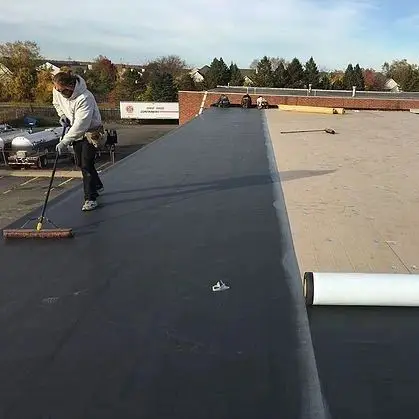
“`html
Why Roof Repair and Maintenance Should Be a Priority
Proactive roof repair and maintenance is one of the best ways to protect a commercial building from avoidable water damage, unexpected repair costs, and business disruptions. Too many property owners wait until a leak appears before thinking about the condition of their roof, but by that point moisture may already have affected insulation, decking, ceilings, walls, or other building components.
At Chase Commercial Roofing, we help New Jersey businesses protect their roofing systems through inspections, maintenance, commercial roof repair, coatings, replacement, and emergency service.
Regular roof care can help property owners:
- Identify small problems before they become larger
- Reduce the risk of unexpected leaks
- Keep roof drains and drainage systems functioning properly
- Document the condition of the roofing system
- Support long-term repair and replacement planning
- Protect the building and assets beneath the roof
The National Roofing Contractors Association emphasizes the importance of regular roof maintenance as part of maximizing roofing-system performance and service life.
Signs Your Commercial Roof Needs Attention
Commercial flat roofs are often out of sight, which means developing problems can go unnoticed for long periods. Knowing the warning signs can help you address damage before it becomes more extensive.
Water Stains or Interior Leaks
Water stains on ceilings, walls, insulation, or ceiling tiles are among the clearest signs of moisture intrusion.
Keep in mind that the visible stain may not be directly below the actual roof leak. Water can travel through insulation, decking, seams, or structural components before it becomes visible inside the building.
Damaged Flashing
Flashing protects vulnerable transitions around vents, pipes, HVAC curbs, walls, parapets, and roof edges.
Loose, cracked, deteriorated, or improperly sealed flashing can create an entry point for water.
Ponding Water
Flat and low-slope commercial roofs depend on properly functioning drains, scuppers, gutters, and slopes to move water off the roof.
If water remains in the same area long after rainfall, the drainage system or underlying roof assembly may need professional evaluation.
Clogged Drains and Scuppers
Leaves, branches, sediment, trash, and other debris can obstruct drainage systems and cause water to back up onto the roof.
Keeping these areas clear is an important part of routine roof maintenance.
Punctures, Tears, and Open Seams
Foot traffic, dropped tools, service work, debris, severe weather, and normal aging can damage commercial roofing membranes.
Small openings should be repaired before moisture has an opportunity to spread beneath the roof surface.
Blisters or Bubbles
Raised or bubbled areas may indicate trapped air or moisture within the roofing assembly. These areas should be evaluated before attempting a repair because the proper method depends on the roof system and underlying conditions.
Sagging or Uneven Areas
Visible sagging or unusual depressions can indicate saturated materials, deteriorated decking, structural movement, or another condition that warrants prompt professional assessment.
Common Commercial Roof Repairs
Commercial roof repair requires materials and techniques that are compatible with the existing roofing system. TPO, EPDM, PVC, modified bitumen, metal, and other systems should not all be repaired the same way.
Leak Repair
A proper repair begins by identifying the source of the leak rather than simply patching the area directly above the interior stain.
Water can move horizontally beneath roofing materials, so accurate diagnosis is essential.
Membrane Repair
Damage to single-ply roofing membranes may include punctures, tears, open seams, or deteriorated patches.
For example, TPO roofing typically requires compatible thermoplastic material and heat-welded repairs, while EPDM roofing uses system-specific primers, adhesives, tapes, and patches.
Flashing Repair
Flashing around curbs, penetrations, walls, and roof edges should be repaired using methods compatible with the existing roofing system.
Simply applying generic sealant over a failed detail may temporarily hide the problem without correcting its cause.
Drainage Corrections
Roof drains and scuppers should be kept clear, but recurring ponding water may indicate a larger issue involving slope, insulation, decking, or drainage design.
Storm Damage Repair
High winds, heavy rain, hail, and falling debris can damage membranes, flashing, edge metal, and other roofing components.
After a significant weather event, a targeted inspection can help identify damage that may not be obvious from the ground.
Emergency Repairs vs. Permanent Roof Repairs
When water is actively entering a commercial building, the first priority is often stopping or limiting immediate damage. That may require a temporary emergency repair.
Examples of situations that may require prompt attention include:
- Active interior leaks
- Large membrane tears
- Storm-damaged roofing materials
- Severely blocked drainage
- Loose roofing components
Temporary emergency measures are intended to stabilize the situation until a permanent repair can be completed.
Chase provides emergency commercial roof repair for roofing issues requiring rapid professional attention.
Create a Commercial Roof Maintenance Program
A structured maintenance program can help building owners move from reactive repairs to proactive roof management.
A good commercial roof maintenance program may include:
- Scheduled roof inspections
- Debris removal
- Drain and scupper cleaning
- Membrane inspections
- Seam inspections
- Flashing checks
- Inspection around rooftop equipment
- Review of previous repair areas
- Photographic documentation
- Recommendations for future repairs
Property managers should also maintain records of inspections, completed repairs, warranty information, storm damage, and rooftop equipment work.
How Often Should a Commercial Roof Be Inspected?
A common industry recommendation is to inspect commercial roofs approximately twice per year, often in the spring and fall, with additional inspections following severe weather or significant rooftop work.
Spring inspections can help identify winter-related damage, while fall inspections provide an opportunity to address problems before freezing temperatures, snow, and ice arrive.
Additional inspections may be appropriate when:
- The roof is older
- The building has a history of leaks
- There is frequent rooftop foot traffic
- HVAC or construction work has recently been performed
- The property experienced severe weather
- The roof has recurring drainage problems
What Should Be Included in a Roof Inspection?
A professional commercial roof inspection should evaluate more than the visible center of the roof.
Important areas include:
- Roof membrane: Check for punctures, cracks, blisters, deterioration, and previous repairs.
- Seams: Look for separation or deterioration.
- Flashing: Inspect walls, curbs, edges, and penetrations.
- Drainage: Check drains, gutters, scuppers, and ponding areas.
- Rooftop equipment: Inspect around HVAC units, vents, pipes, and other penetrations.
- Roof edges: Look for loose components or wind-related damage.
Repair or Replace: How Do You Decide?
One of the most important roofing decisions a property owner faces is determining whether a damaged commercial roof should be repaired or replaced.
Repair May Make Sense When:
- Damage is localized
- The majority of the roof remains in serviceable condition
- Leaks are isolated rather than widespread
- Insulation and decking remain largely dry and sound
- Repairs can reasonably restore the affected area
Replacement May Be More Appropriate When:
- Leaks occur repeatedly throughout the roof
- Large portions of insulation are wet
- Membrane deterioration is widespread
- Repair costs are becoming repetitive
- The underlying deck or roofing assembly has significant damage
- The existing roofing system is no longer performing reliably
When replacement becomes the more practical option, Chase provides commercial roof replacement in New Jersey.
Can Roof Coatings Help Extend Roof Performance?
Some existing commercial roofs may qualify for restoration using a protective roof coating.
After the roof has been inspected and necessary repairs completed, certain commercial roof coating systems can provide an additional protective surface over compatible roofing materials.
Reflective roofing surfaces may also reduce solar heat absorption under appropriate conditions. The U.S. Department of Energy provides information about cool roofs and reflective roofing surfaces.
However, coatings should not be used as a shortcut over saturated insulation, severe membrane deterioration, or structural problems.
New Jersey Weather and Commercial Roof Maintenance
New Jersey’s seasonal climate can place significant stress on commercial roofing systems.
Winter
Freezing temperatures, snow, ice, and freeze-thaw cycles can affect seams, flashing, drainage systems, and roof membranes.
Spring
Spring inspections can identify damage left behind by winter and prepare the roof for periods of heavier rainfall.
Summer
Heat and ultraviolet exposure can contribute to roofing-material deterioration over time, especially on older systems.
Fall
Leaves and debris can clog drains and gutters, making fall cleanup particularly important before winter weather arrives.
Roof Repair and Maintenance Safety
Commercial roof maintenance should always account for worker safety. Wet surfaces, roof edges, skylights, deteriorated decking, and rooftop equipment can create serious hazards.
OSHA provides specific fall-protection requirements for roofing work. You can review OSHA fall protection requirements for additional information.
Building employees should not be asked to perform roof repairs unless they have the proper training, equipment, and authorization to do so safely.
Choosing a Commercial Roof Repair and Maintenance Contractor
A commercial roofing contractor should understand the specific roofing system installed on your building and be able to clearly explain recommended repairs.
When evaluating contractors, consider:
- Commercial roofing experience
- Experience with your roof material
- Insurance and applicable credentials
- Manufacturer training or certifications where relevant
- Local references and reviews
- Written scopes of work
- Clear warranty information
- Safety procedures
- Communication and documentation
The contractor should also be willing to tell you when a roof can reasonably be repaired instead of automatically recommending replacement.
Frequently Asked Questions About Roof Repair and Maintenance
Can regular maintenance really help a commercial roof last longer?
Yes. Regular inspections and timely repairs can help prevent minor problems from developing into more extensive damage.
Maintenance cannot guarantee a specific lifespan, but it improves the likelihood that the roof will remain serviceable for longer than a neglected roofing system.
What areas of a commercial roof are most important to inspect?
Flashing, seams, roof membranes, drains, scuppers, penetrations, roof edges, HVAC curbs, and previously repaired areas all deserve close attention.
Can facility staff perform roof maintenance?
Facility staff can often report visible interior leaks, document roof-related concerns, and help keep records. However, actual roof access and repairs should be limited to trained personnel because of fall hazards and the risk of damaging roofing materials.
Does every roof warranty require the same maintenance?
No. Warranty requirements vary by manufacturer, system, contractor, and warranty type.
Property owners should review their specific warranty documents and follow the maintenance and reporting requirements stated there.
Don’t Let Your Commercial Roof Down
Your roof protects nearly every part of your business beneath it, which makes proactive maintenance an important part of commercial property management.
Routine inspections, clear drainage systems, timely repairs, accurate documentation, and professional assessments can help reduce surprises and make it easier to plan for future roofing expenses.
Chase Commercial Roofing provides commercial roofing services throughout New Jersey, including repair, replacement, installation, coatings, emergency roofing, TPO, EPDM, metal roofing, and flat roofing solutions.
If your commercial roof is leaking, showing signs of deterioration, or simply overdue for an inspection, contact Chase Commercial Roofing to schedule an assessment and determine the right next step for your building.
“`